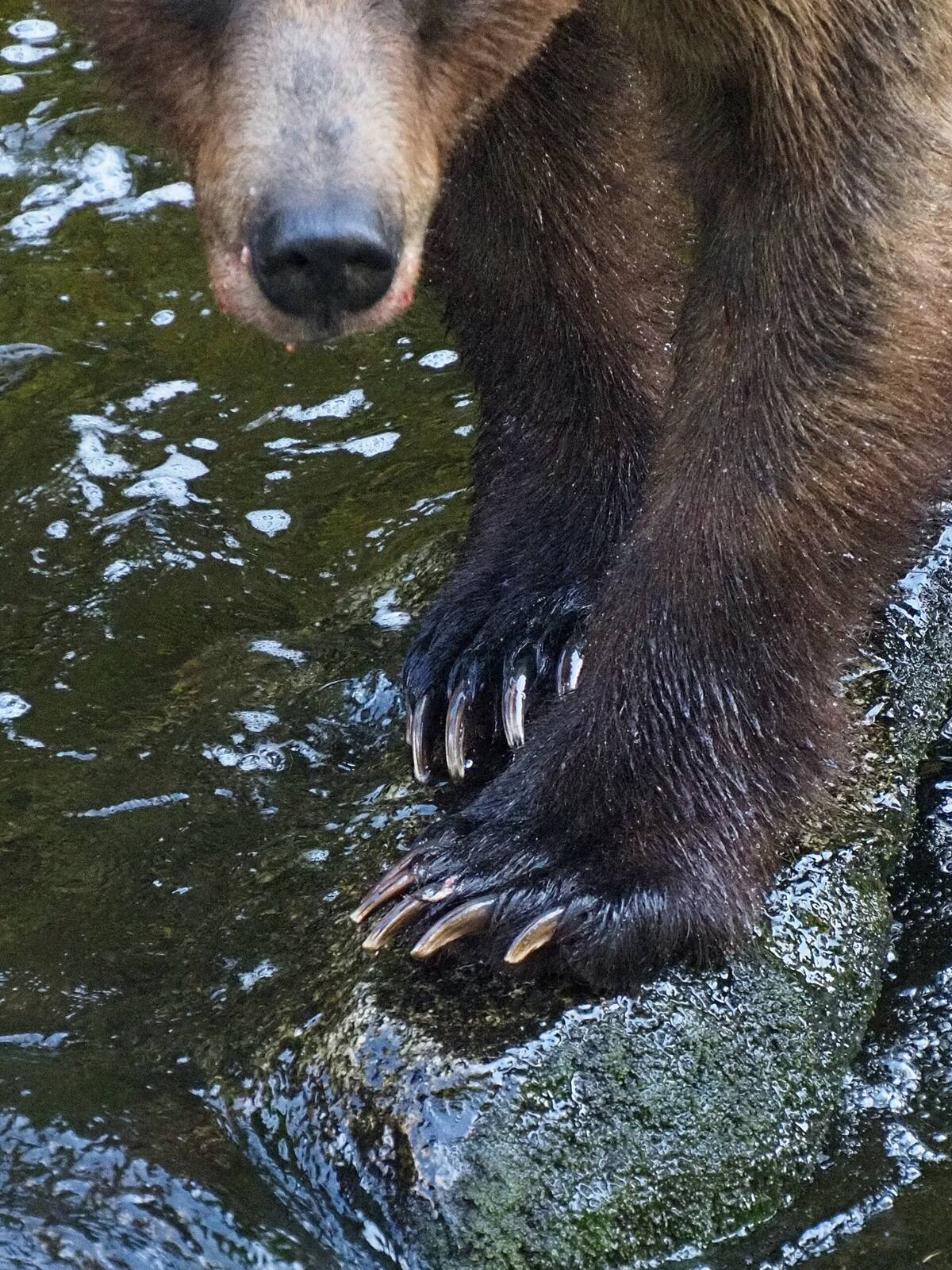
Bear Claws: Length, Shape and What Each Species Uses Them For
3 min read
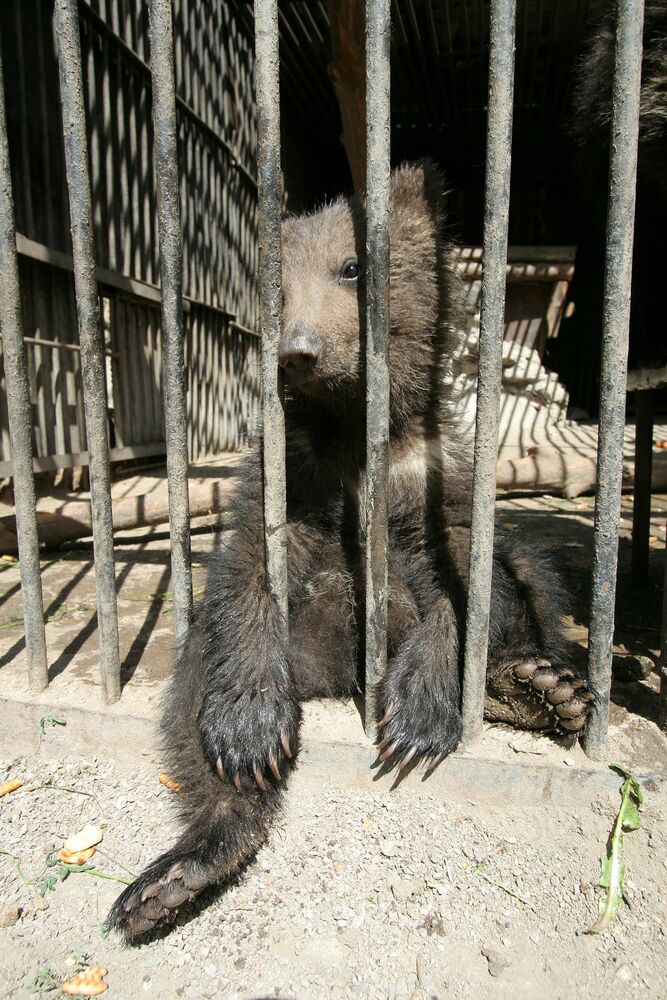
Every bear carries five claws on each foot, and none of them pull back into the paw the way a cat’s do. Bears are plantigrade, which means they walk on the flat of the foot, and their nonretractable claws are tools for digging, climbing, tearing and catching prey. The claws differ a lot between species, and the differences tell you what each bear does for a living.
Why bear claws never retract
A cat keeps its claws sharp by hiding them. A bear leaves them out all the time. The International Association for Bear Research and Management (IBA) notes that claws are non-retractable in all bears. Wikipedia adds that the claws on the front feet are generally larger than those on the back, and that big front claws can get in the way when climbing trees.
Brown bear claws: built for digging
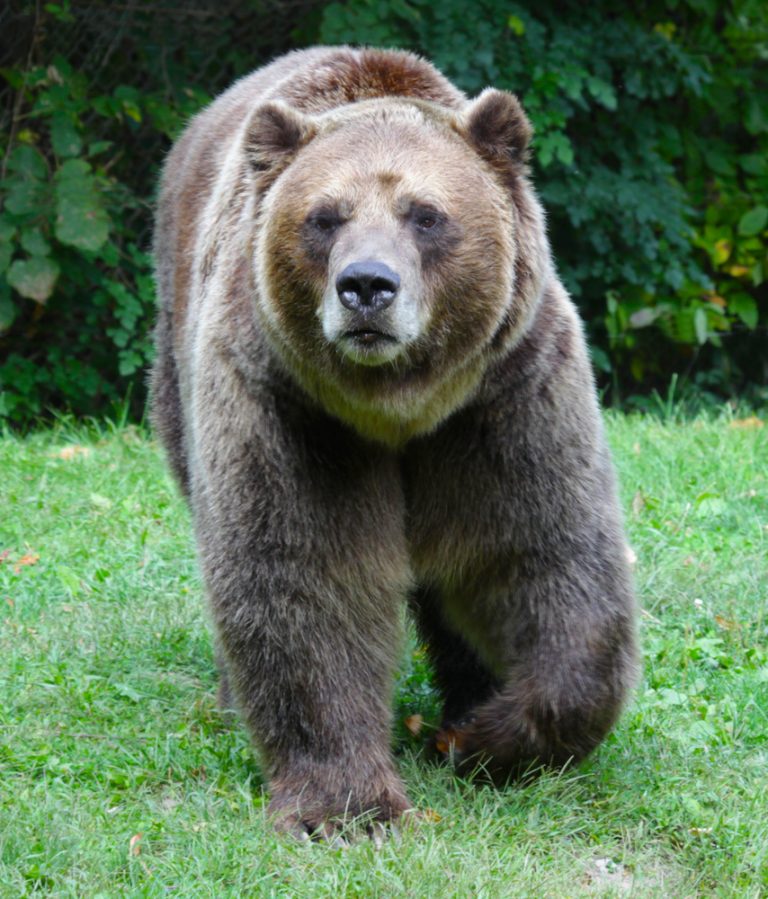
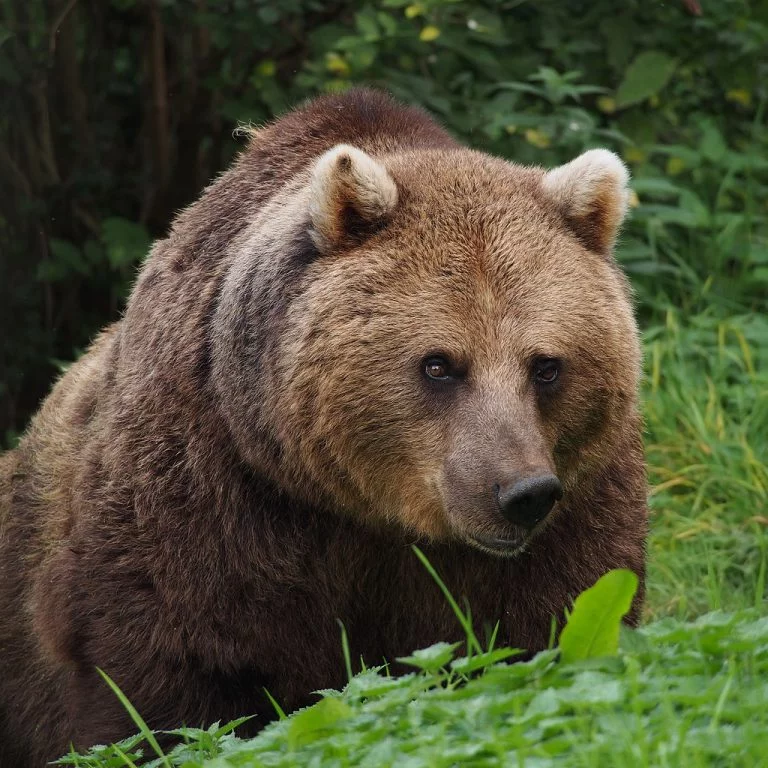
The IBA says a brown bear’s front claws can reach up to 8 cm in length. They are adapted to digging into hard soil for rodents and roots. The same source lists the shoulder hump, the disk-shaped face and the long front claws as the trademarks that identify a brown bear.
The Alaska Department of Fish and Game describes longer, straighter claws on brown bears and adds a trade-off: long claws are useful for digging roots or excavating small mammals, but they are not efficient for climbing trees. My post on which bear species can climb trees and how well goes through that in more detail.
Black bear claws: short, curved and made for climbing
A black bear’s claws are shorter. Alaska Fish and Game says black bears are most easily told apart from brown bears by their straight facial profile and by claws that rarely grow more than 1 1/2 inches in length. The IBA adds that the front claws are the same length as the hind claws, which is a distinguishing feature where black bears share range with brown bears.
The National Park Service says black bears’ curved claws help them climb trees to search for food, while they cannot dig for food as well as a brown bear. It also notes that they use their long claws to dig up plants and roots and to pick ripened berries in summer. Wikipedia sums up the pattern: the black bear is the most arboreal of the bears and has the shortest claws.
Sloth bear claws: a termite-mound opener
The sloth bear shows how far a claw can specialise. The IBA describes long (6 to 8 cm), slightly curved, ivory-coloured front claws for digging and shorter hind claws. A sloth bear breaks open a termite mound with those front claws, then puts its muzzle in, blows away the earth and dust, and sucks the termites into its mouth.
The claws do half the job. The IBA also lists reduced upper incisors among its adaptations for feeding on termites and ants. You can read more about the species in our sloth bear profile.
Polar bear claws: grip on ice and prey
Polar bears live on sea ice, and their feet reflect it. The IBA says their large paws act as paddles when swimming and spread the animal’s weight on ice. Hair between the toes and around the soles reduces heat loss and adds traction, and the footpads are covered in small bumps called papillae. Their claws are sharp and deeply recurved, which also lets them grasp prey. They are usually black.
Claws as a message on a tree
Claws are not only for food. The IBA says that at a distance, brown bears communicate by marking trees with their teeth and claws, and by rubbing and leaving scent on the trunk, especially during the mating season. A scratched tree is a note left for the next bear that walks past. Our post on how bears communicate covers the other signals, from sounds to body language.
Telling bears apart by their claws
Claws help, but they are only one clue. Look at the whole animal.
- Long, fairly straight front claws and a shoulder hump point to a brown bear.
- Short claws, with front and hind about the same length, point to a black bear.
- Long, pale, slightly curved front claws on a shaggy bear with a chest mark point to a sloth bear.
For the full set of species and how they compare, see our guide to all eight living bear species.
What I could not find
I found no single source that gives average claw length for every species, so I have only quoted the figures the sources above give. Treat any number as a rough guide.
If you have spotted claw marks on a tree or in the mud, email us at hello@lovebears.org and tell us what you found and where.
Sources
- IBA: Ursus arctos (brown bear)
- IBA: Ursus americanus (American black bear)
- IBA: Melursus ursinus (sloth bear)
- IBA: Ursus maritimus (polar bear)
- Alaska Department of Fish and Game: black bear
- Alaska Department of Fish and Game: brown bear
- National Park Service: black bears
- Wikipedia: Bear
Photo: Forest Service Alaska Region, USDA, Public domain, via commons.wikimedia.org.
This article is part of our bear facts guide, which links every article on bear behaviour, safety and culture.