

Can Bears Climb Trees? Which Species and How Well
Last updated: November 5, 2026
6 min read
The short answer is yes, most bears can climb. The long answer is what keeps you alive in bear country. The species, the bear’s age and the tree available decide whether climbing is a route of escape or a route into worse trouble. Climbing a tree to escape a grizzly is usually the wrong move. Climbing a tree to escape a black bear can also be the wrong move, for a completely different reason.
Claw morphology: the heart of the matter
A bear is a climbing animal or a digging animal depending on its front claws, and the difference is unmistakable.
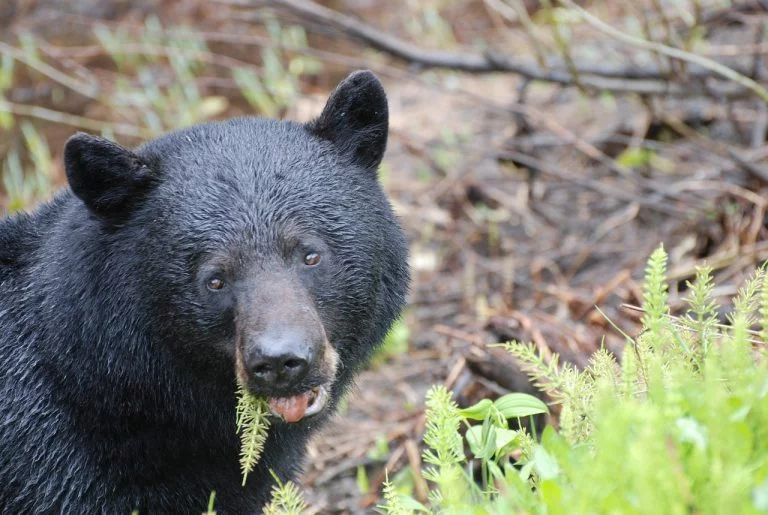
Short, strongly curved, sharp claws. This is the climber’s foot. American black bears have front claws around 4 to 5 cm long, strongly curved, with sharp tips that work like crampons. Asian black bears are similar. Sun bears have astonishing claws relative to body size, up to about 10 cm, recurved and very sharp; they are the most arboreal of all bears and spend much of their lives in the trees of southeast Asian rainforest. Spectacled bears have shorter but well-curved climbing claws. Sloth bears have long but strongly curved claws built for tearing open termite mounds, and are able climbers that go up trees for fruit and honey.
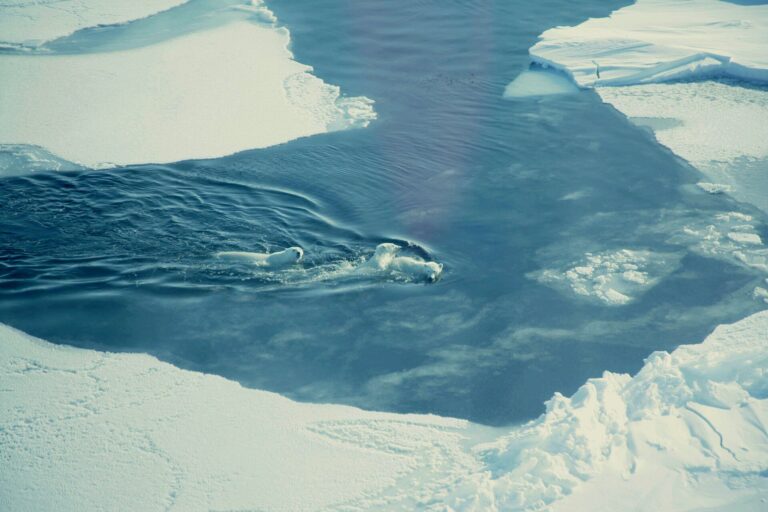
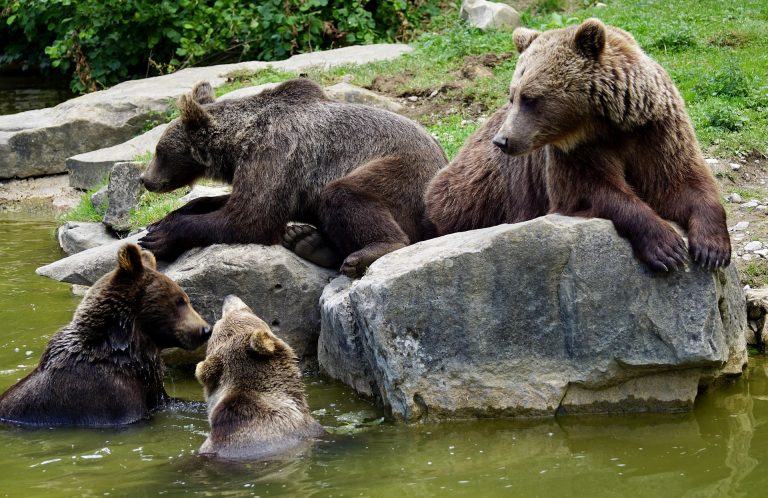
Long, straight, blunt claws. This is the digger’s foot. Brown bears and grizzlies have front claws 5 to 10 cm long but nearly straight and comparatively dull, designed for excavating dens, digging roots, flipping rocks and turning over logs. The same claw that lets a grizzly dig a hibernation den into a hillside is poorly suited to gripping bark. Kodiaks inherit the same morphology. Polar bears have shorter, more strongly curved claws, adapted for grip on ice rather than on trees.
A grown brown bear or grizzly cannot reliably climb a smooth-barked tree. It can get up a deeply furrowed tree with branches close to the ground by hauling itself branch to branch, but it is climbing the way a human would: with its forelimbs, not its claws.
A quick comparison
| Species | Climbing ability | Front claw length | Claw shape |
|---|---|---|---|
| American black bear | Excellent | 4 to 5 cm | Curved, sharp |
| Asian black bear | Excellent | 4 to 6 cm | Curved, sharp |
| Sun bear | Outstanding, the most arboreal | Up to 10 cm | Strongly curved, sharp |
| Sloth bear | Good | 7 to 10 cm | Curved, blunt at tip |
| Spectacled bear | Excellent | 4 to 6 cm | Curved, sharp |
| Brown bear and grizzly | Poor as adults, cubs climb | 5 to 10 cm | Straight, blunt |
| Kodiak bear | Poor as adults | 6 to 10 cm | Straight, blunt |
| Polar bear | Poor, and no need | 5 to 7 cm | Short, curved |
Age effect: cubs climb everything
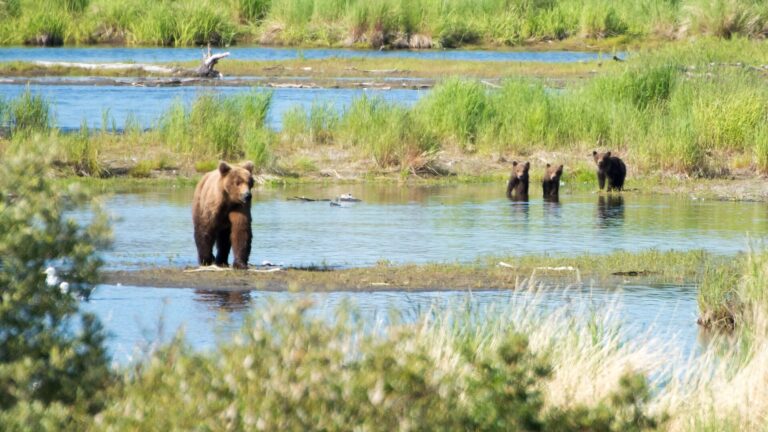
This is the wrinkle that catches hikers out. Brown bear and grizzly cubs climb readily. Cubs of the year and yearlings are light enough that claws designed for digging can still grip bark. Mother grizzlies routinely send cubs up trees when they feel threatened, then stay at the base and confront whatever has alarmed them.
Which is why “if it’s brown lie down, if it’s black fight back” is too crude to be useful. A grizzly cub up a tree is a fully capable climber. The mother at the base is not, and does not need to be, because she has a different strategy.
Grizzlies and trees
Grizzlies will tear at a small tree to get at something in it, and a slim aspen is no protection. A 12-metre mature spruce or pine, with the climber six to eight metres up and good branches in between, is a different proposition, but it is still a gamble.
The other problem is that climbing can trigger a pursuit response, particularly if you start climbing while the bear is close. Sudden vertical movement is a classic prey cue. Bear-country safety education from the NPS, the US Forest Service and Parks Canada is consistent on this: do not climb a tree to escape a grizzly. Use bear spray. Play dead in a defensive attack, fight in a predatory one.
Black bears in trees: the opposite problem
Climbing away from a black bear fails for a different reason. Black bears climb beautifully, and a motivated, food-conditioned or simply curious one will follow you up. Sitting higher and hoping is not much of a plan.
The guidance for black bears is: do not run, do not climb, do not play dead. Make yourself large, make noise, back away slowly. If a black bear does attack, which is rare, fight back hard and aim for the face. For the full playbook see our bear safety guide.
Cubs in trees: a public safety note
A recurring scene in suburban news cycles is bear cubs up a tree with the mother at the base. Cubs put themselves up trees when alarmed, or their mother sends them. An American black bear sow usually stays nearby until they come down.
The correct human response is to leave the area entirely, give the family at least 100 metres and wait. Most mothers in that situation are not aggressive, they are extremely defensive, and they will not abandon.
Sun bears: the tree specialists
Of all bears the sun bear is the most arboreal. They build day beds in the canopy, sleep curled in forks well above the ground, and use trees as both refuge and larder. Those long claws open bee nests in standing trunks, and an extraordinary tongue, up to around 25 cm, reaches deep into hollow wood for insects and honey. A sun bear in mature Bornean rainforest is essentially a small, claw-equipped, omnivorous primate that happens to be a bear.
Sun bear populations have collapsed where rainforest has been cleared, because the species cannot live without trees. They are not ground-dwelling bears.
Spectacled bears: the Andean tree-builders
Spectacled bears climb fruit trees and build feeding platforms, breaking and folding branches into a stable mat they can sit on while they eat. The species is more arboreal than most people realise, and habitat fragmentation that isolates fruiting trees hits it disproportionately.
What to do if a black bear trees you
- Stay calm and stay up. The bear may climb or may stay at the base. Either way, do not jump.
- Talk to the bear in a calm voice. Identify yourself as human. Do not yell or scream.
- Make yourself look large by raising your arms or holding your jacket open.
- Throw small objects, sticks or anything that is not food, if the bear starts climbing. The goal is to discourage.
- Do not play dead. Playing dead is for defensive grizzly attacks. A black bear following you up a tree is rarely defensive.
- If the bear reaches you and makes contact, fight back. Aim for the face and eyes.
- Get someone to call for help if you can. These situations usually resolve with people on the ground using bear spray or noise-makers, or a wildlife agency responding.
Bear spray remains the best tool for de-escalating a close-range encounter with either species, whether you are on the ground or in a tree. Carry it and practise with it.
FAQ
Can a grizzly bear climb a tree?
Adult grizzlies are poor climbers. They can haul themselves a few metres up a deeply furrowed conifer with low branches, but they cannot climb a smooth or branchless trunk the way a black bear can. They will, however, tear at smaller trees or dig at the base, and cubs climb readily. Do not treat a tree as a defence against a grizzly.
Can sloth bears climb?
Yes. Sloth bears climb trees to reach fruit and honey, though they usually rest on the ground. Their long, blunt claws are mainly for tearing termite mounds but work fine on bark.
How do polar bears handle the lack of trees?
Their whole ecology is built around sea ice and tundra. They never developed climbing morphology because they never needed it.
Are sun bears really that arboreal?
Yes. Sun bears spend more of their lives in trees than any other bear, sleeping, feeding and avoiding threats up in the canopy. Their claws are the longest relative to body size of any bear. Clear the canopy and you lose the species.
For how bears use trees day to day, see the bear behavior guide. For the climbing versus digging split across the family, see our eight bear species page.
This article is part of our bear facts guide, which links every article on bear behaviour, safety and culture.
Updated 28 September 2026: corrected sloth bear resting habits and claw length, black bear attack behaviour and den digging.


Our neighbours had a black bear cub up their big maple two springs ago. Mum sat at the bottom most of the afternoon and the whole street sensibly stayed indoors.
So my grandfather’s advice, climb a tree if it’s a grizzly, was wrong twice over. Up a tree with cubs and their mother waiting below sounds like the worst seat in the forest.