How Fast Can a Bear Run? Speeds by Species
4 min read
A bear looks heavy and slow-footed until it decides to move. The US National Park Service puts it in one sentence: bears can run as fast as a racehorse, both uphill and downhill. That single line explains most of what park rangers tell you about running away from one.
This post sets out what the published sources say about bear speed, where the numbers are firm, and where they are only estimates. It also covers what the speed means in practice if you ever meet a bear on a trail.
The numbers we can put a source on
Bear speed is hard to measure. Nobody clocks a wild bear on a track, so most figures are estimates from observers, and they should be read that way. Here is what the sources I read actually say.
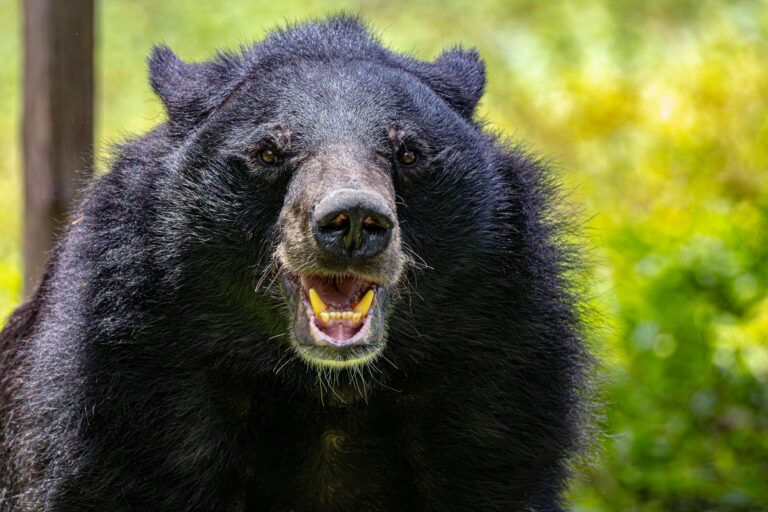
- American black bear: can run at speeds of up to 25 to 30 mph (40 to 48 km/h), according to the species account on Wikipedia, which describes a rhythmic, sure-footed gait.
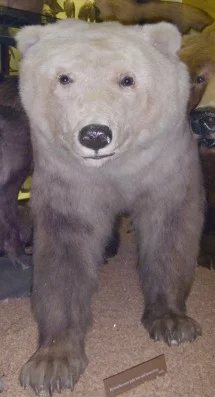
- Polar bear: estimated speeds of up to 40 km/h (25 mph), per the Wikipedia polar bear article. The International Association for Bear Research and Management gives a more cautious figure: speeds greater than 32 km/h over short distances.
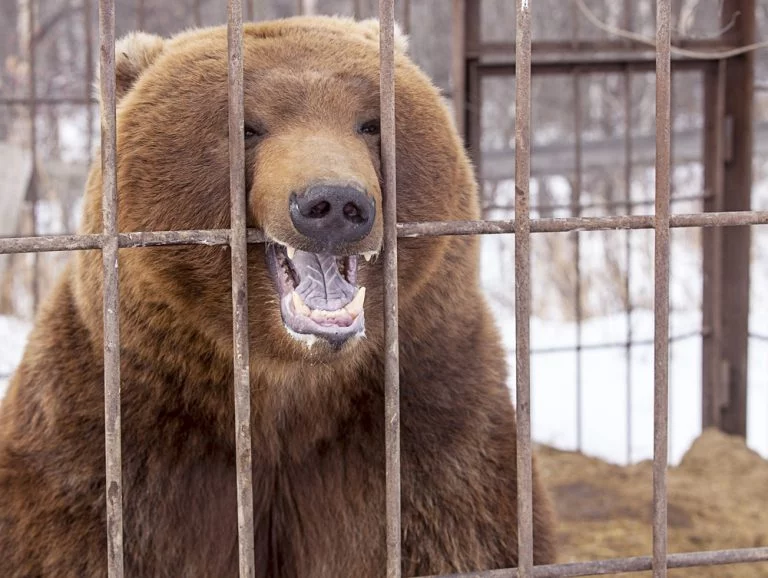
- Brown bear: can run in short bursts up to 40 mph (64 km/h), according to the Alaska Department of Fish and Game.
- Bears in general: as fast as a racehorse, uphill and down, in the National Park Service guidance.
Notice the phrases “up to”, “estimated” and “over short distances”. Those are the honest parts. A top speed is a burst, not a pace a bear holds for long. The three figures land in the same range, roughly 25 to 40 mph, and the National Park Service line covers every other bear.
A bear’s everyday pace is far slower
Most of the time a bear is not sprinting at all. The Wikipedia polar bear article says polar bears typically move at around 5.5 km/h (3.4 mph), and can swim at up to 6 km/h (3.7 mph). That is a steady walk.
The gap between a 5.5 km/h walk and a 40 km/h sprint is the whole story. A bear that ambles at walking pace still has a much faster gear available. If you want to see how the swimming side of that works, our guide to whether bears can swim covers the species one by one.
Gait: walking and galloping, not trotting
The polar bear article adds a detail about movement. Polar bears move by walking and galloping and do not trot. A walking polar bear also tilts its front paws toward each other. So a polar bear going fast is galloping.
The hind end is where the power comes from. The IABMR species page says the muscles of the polar bear’s hind limbs are especially well developed, and that this enables the short bursts above 32 km/h. The same page notes hair between the toes and bumps on the footpads that improve grip on ice, and non-retractable claws. For more on how claws differ across species, see our page on bear claws.
I only have a source for the polar bear’s gait. I have not read a comparable gait description for the other species, so I am not going to assume they move the same way.
What this means if you meet a bear
The speed figures are the reason for the most repeated rule in bear country. The National Park Service says: do not run. If the bear follows, stop and hold your ground. It adds that, like dogs, bears will chase fleeing animals. Running turns you into something that is running away, and you cannot win that race.
The same page gives a few more points worth knowing:
- Do not climb a tree. Both grizzlies and black bears can climb trees, so a tree is not an escape. Our post on whether bears can climb trees goes into which species do it best.
- Moving sideways is non-threatening to bears. If you need to back away, move slowly and keep the bear in sight.
- If a bear follows, stop and hold your ground.
For the full hiking routine, including what to do before an encounter happens, read what to do in a bear encounter while hiking. Carrying deterrent is also part of most plans, and how to use bear spray walks through it step by step.
What we do not know
Three gaps are worth stating plainly. First, the published speeds are mostly estimates, and I found no species-by-species table with measured values. Second, I did not find a source for how long a bear can hold a sprint, only that polar bear bursts are over short distances. Third, I did not find speed figures for the smaller species, such as sun bears or sloth bears, so I have left them out rather than guess.
The safe reading is simple. Every bear species is built to move quickly when it needs to, and the figures we do have are far beyond a walking or jogging person. Plan around that fact, not around a number.
If you have seen a bear move fast, or know a measured figure with a source, add it in the comments below.
Sources
- US National Park Service: Bear safety
- Wikipedia: American black bear
- Wikipedia: Polar bear
- International Association for Bear Research and Management: Polar bear
- Alaska Department of Fish and Game: Brown bear
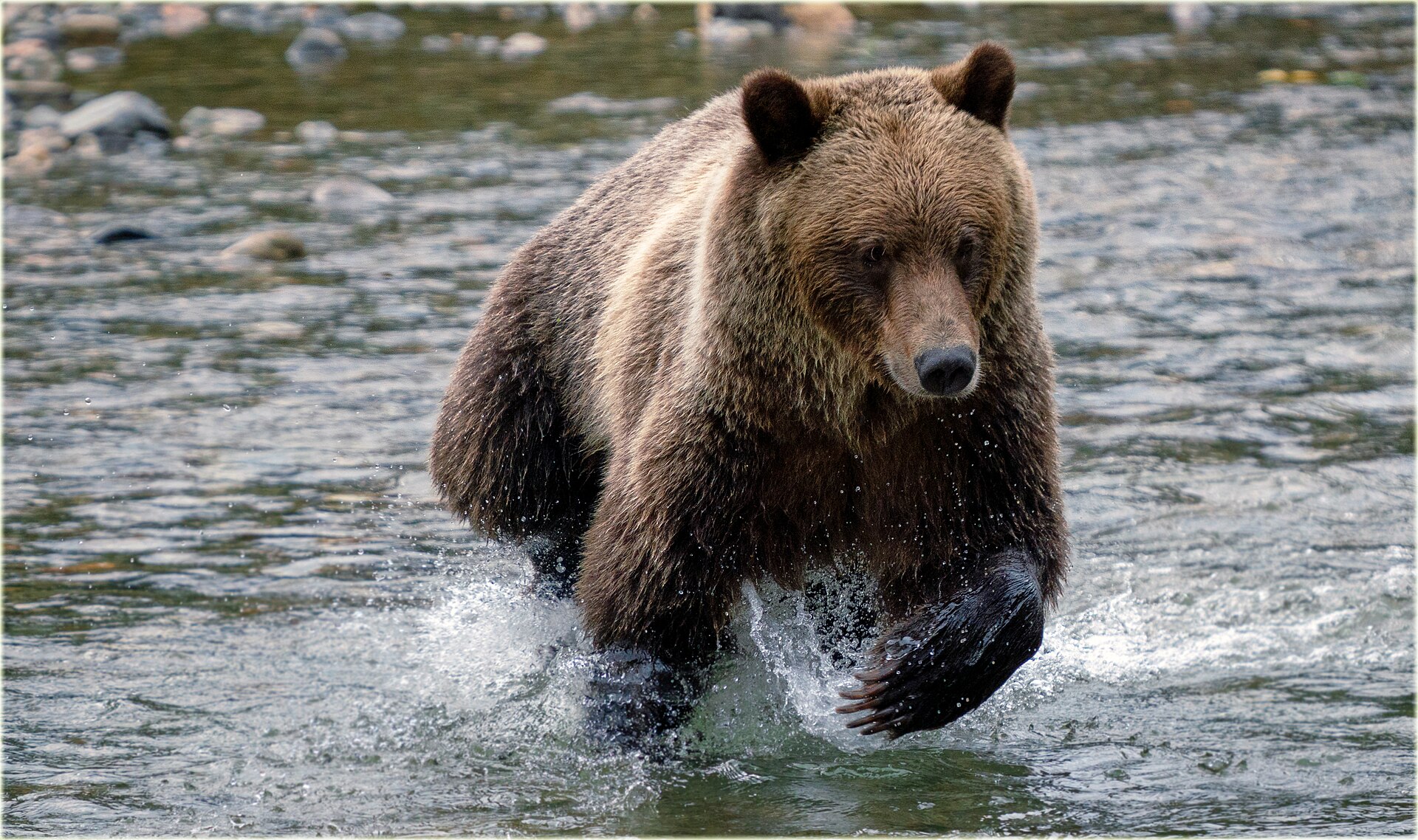
Photo: marneejill, CC BY-SA 2.0, via commons.wikimedia.org.