Bear Fur Colour: Why Black Bears Aren’t Always Black
4 min read
A black bear is not always black. Wildlife managers say so plainly. The Alaska Department of Fish and Game warns that color is not a reliable key for telling bears apart, because black and brown bears have many color phases and polar bears may have stained fur. If you came here hoping to name a bear by its coat, the short answer is that you cannot, at least not safely.
This post looks at what the agencies and researchers actually say about bear coat colour: how far it can vary inside one species, what changes over a bear’s life, and why the polar bear’s white coat is stranger than it looks. Where the sources go quiet, I say so.
Black bears come in many colours
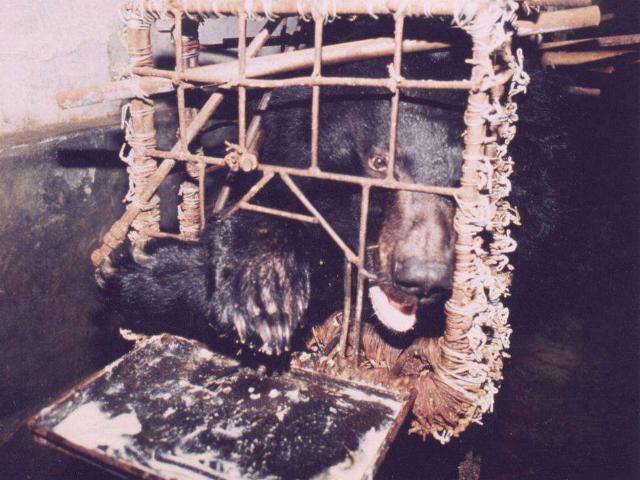
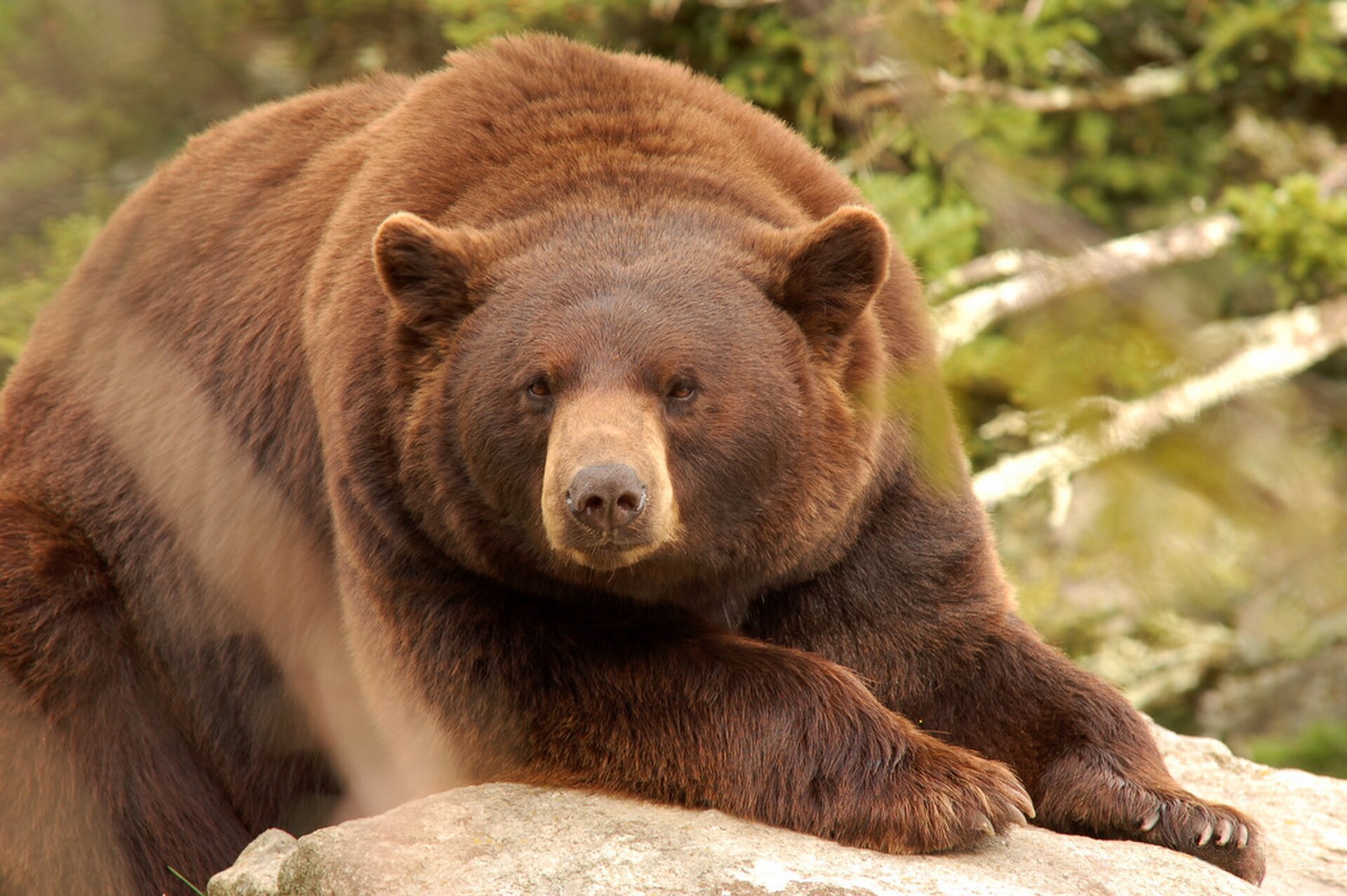
The International Association for Bear Research and Management (IBA) describes the American black bear’s coat as uniform in color except for a brown muzzle and an occasional white patch on the chest. Across the species’ range, though, the colour of the whole coat changes. The IBA lists black, cinnamon, chocolate brown, bluish-gray and cream-coloured animals.
Alaska’s wildlife agency gives a similar spread: black bear fur may be black, brown, reddish or even shades of grey and white. The National Park Service makes the same point from a visitor’s angle. Size, coloring, diet and sleeping patterns depend on the bear and its location.
So a cinnamon bear at the roadside is still a black bear. Colour describes the coat. It does not name the species. The shape of the face and the body tell you more, and our guide to telling a black bear from a grizzly covers the features worth checking.
Brown bears run from black to blond
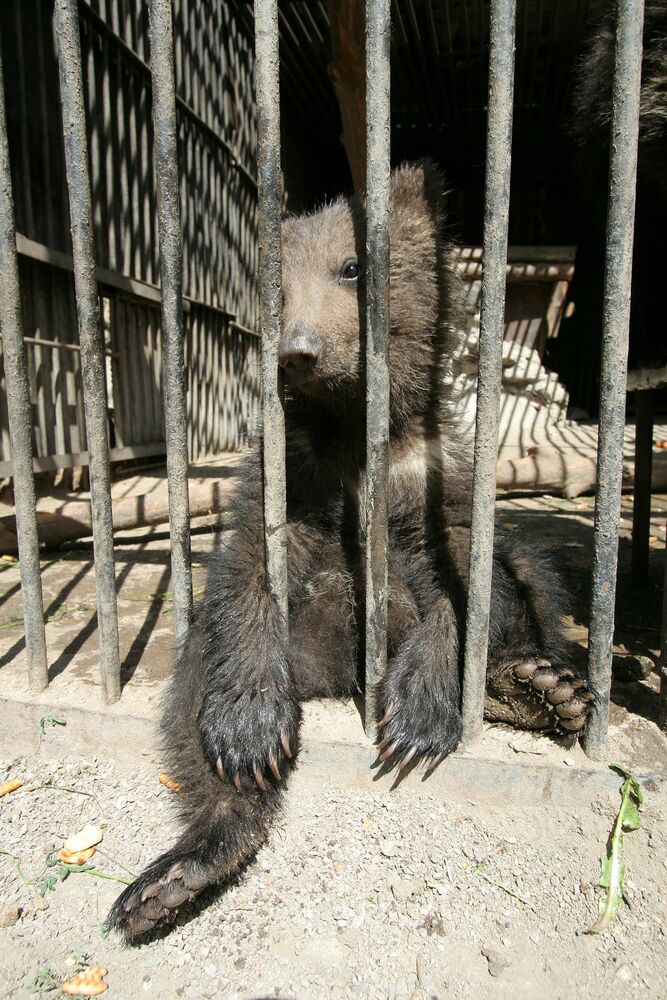
Brown bears have the same problem in reverse. The IBA says their coat colour can range from black to blond but is usually brown. The National Park Service uses almost the same words, saying brown bears vary in color from black to blonde. Alaska’s agency describes the brown bear range as dark brown through very light blond.
The name “grizzly” fits a coat pattern. North American brown bears are often seen with a silver-tipped brown coat that gives a “grizzled” appearance. The animals are the same species as brown bears elsewhere.
A black coat on a brown bear and a brown coat on a black bear is exactly why the colour rule fails. A bear that looks brown could be either species.
Colour can change over a bear’s life
One detail surprised me when I read the black bear account. The IBA states that an individual’s pelage color can change during consecutive molts. A bear is not locked into the shade it was born with. The IBA entry cites a study of coat colour inheritance and changes in black bears in northeastern Minnesota, which is where to look for the detail. I could not find a plain public summary of how often it happens, so I will not guess at numbers.
Cubs start out with very little to show. Black bear cubs are born helpless, almost hairless, and with eyes closed, and the National Park Service describes brown bear cubs as tiny and hairless. The full coat comes later.
The polar bear’s white coat is not really white
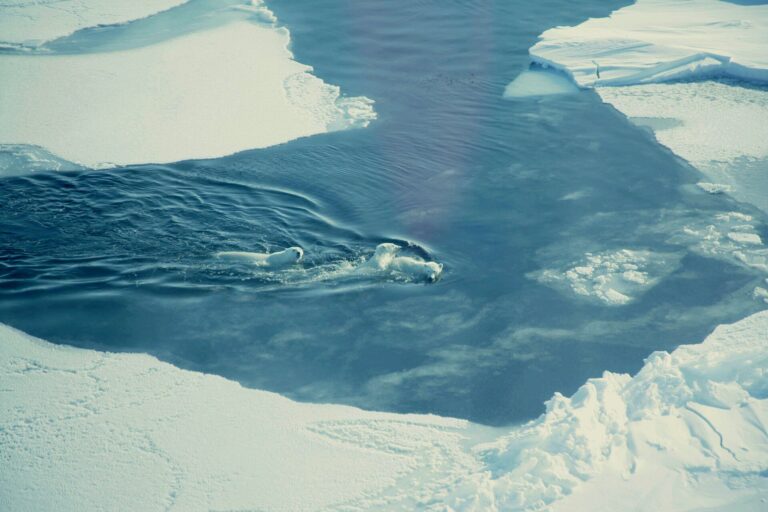
The polar bear looks like the easy case, since it is simply white. The IBA says the white fur provides camouflage while hunting seals on the sea ice. Then it adds a catch. The fur is actually hollow and translucent, and may appear yellowish, grey or even brown depending on season and lighting.
So the colour you see is a product of light and condition, not a white pigment. A polar bear can look cream or stained, which is why Alaska’s agency says polar bears may have stained fur.
The hollow structure does a job too. The IBA says it aids buoyancy and insulation. The same source notes that oil decreases the insulative properties of polar bear fur, which can lead to hypothermia. For a bear whose coat is part of its heating system, a spill is a real danger. Our polar bear profile has the wider picture.
Two famous exceptions
The giant panda is the extreme case. The IBA calls its black-and-white coat, with a white face and black oval eye patches, unique among mammals. A subspecies in the Qinling Mountains is described as having dark brown, not black, on the chest and belly. Even within one species, colour can differ by region.
The other famous exception is the white-coated black bear known as the spirit bear. We cover it in 10 intriguing facts about the spirit bear.
What to do with all this
- Do not use colour to name a bear. Use the body features in our ID guide instead.
- Treat any bear of any colour with the same distance and care.
- If you see an unusual colour, note where and when.
- Remember that a coat can lighten, darken or look stained without any change in the animal underneath.
I would like to know what you have seen. If you have spotted a cinnamon, blond or cream-coloured bear in the wild, add it in the comments, with the place if you can.
Sources
- IBA: American black bear
- IBA: brown bear
- IBA: polar bear
- IBA: giant panda
- Alaska Department of Fish and Game: brown bear
- National Park Service: brown bears
- National Park Service: black bears
Photo: Appalachian Encounters, CC BY 2.0, via commons.wikimedia.org.