

Canadian Province Agrees To End Grizzly Bear Trophy Hunting
Last updated: November 5, 2026
3 min read
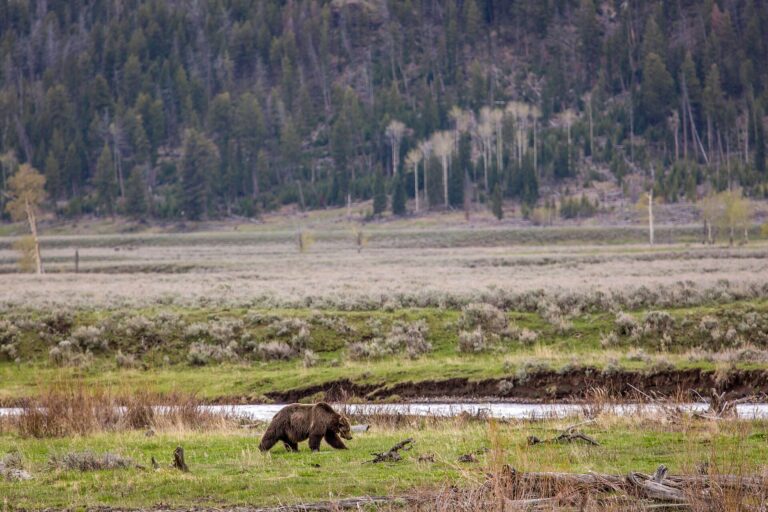
British Columbia has finally decided to end its grizzly bear trophy hunt. Conservationists and a large majority of BC residents welcomed the announcement: trophy hunting of grizzlies, a subspecies of brown bear, ended on 30 November 2017. In December 2017 BC banned all grizzly hunting except First Nations food hunting, and the ban was still in place in 2026.
The hunt had been reinstated 16 years earlier, in 2001, under the previous BC Liberal government. The Liberals lost power in July to the New Democratic Party, and ending the hunt was one of the incoming party’s promises.
What is trophy hunting?
Trophy hunting is the selective hunting of wildlife for recreation. The trophy is the animal, or a part of it, preserved and put on display. It takes time, money and effort, and it is competitive by nature: the larger the trophy, the better the hunter is supposed to be.
Most hunting in Canada today is recreational. Indigenous nations retain the right to hunt for food, a right held under treaty. British Columbia has roughly 15,000 grizzly bears, and around 250 of them were being killed by hunters each year. Polling has consistently put opposition to the trophy hunt among BC residents at close to 90 percent.
The problems with grizzly trophy hunting
Enforcement is hard
There are rules: seasons, quotas, limits on how many bears can be taken. Enforcing them across that much country is another matter. There will always be hunters who want to go over quota or find a loophole, and at that point the hunt becomes a cover for poaching. Some provinces run reporting incentives to help, such as Alberta’s Report A Poacher programme.
It is an elite pursuit
Hunters travel from abroad into very remote country in search of big game. Not many people can afford the travel or the outfitting, which makes this a rich person’s thrill dressed up as a management tool.
It is wasteful
The grizzly is one of a small number of animals in BC exempted from meat harvesting requirements. In practice that means the skin and head come off and the rest of the body is left where it fell. Killing an animal that size for sport serves no purpose at all.
The sustainability case is shaky
Plenty of people question the accuracy of the province’s grizzly population estimates. The working number is about 15,000 bears. How confident can anyone be about the growth rate, about how many bears are poached, or about what the hunt does to the population over decades?
It is bad for local business
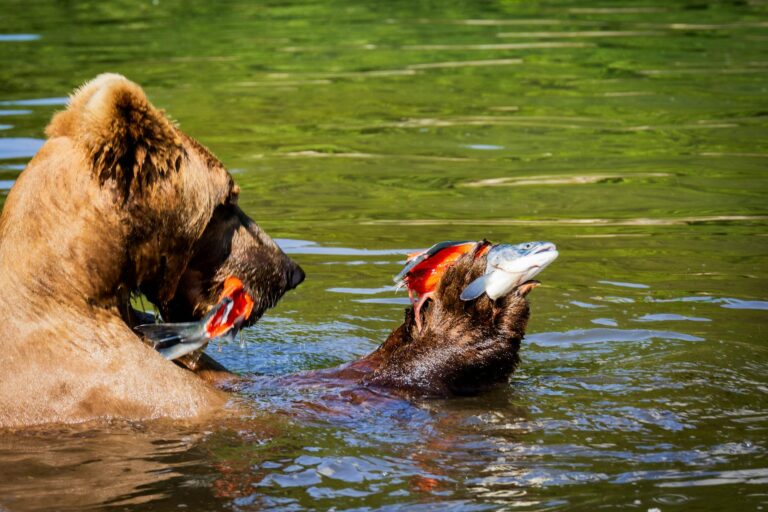
Bear viewing is big business in BC. Visitors travel thousands of miles for a chance to see a grizzly in the wild, and a study of the Great Bear Rainforest published by the Center for Responsible Travel found that in 2012 bear viewing generated about 15.1 million dollars in visitor spending against about 1.2 million dollars from bear hunting. That is more than twelve times as much money from watching bears as from shooting them.
The two activities also collide in the field. Bear viewing tours get cancelled to avoid taking guests past the carcasses of hunted bears, and both happen in the same spring season. Visitors who find out what is going on tend to leave.
Bears are worth more alive
For years the government line was that the trophy hunt and bear viewing could coexist. The evidence on the ground says otherwise. Cancelled tours cost operators real money and cost communities part time jobs.
Joe Foy of the Wilderness Committee welcomed the decision as an end to the senseless killing of grizzly bears. On the province’s own figures, roughly 4,000 grizzlies were killed in the years since the hunt returned in 2001. Ending it is a move in the right direction, and the ecotourism alternative is already there, already paying, and already better.
Bring bears home
Plush toys, books and mugs are all in the We Love Bears store. Sales from it pay for the reporting on this site.
This article is part of our bear conservation guide, which links all our conservation, rescue and wildlife crime reporting.
Updated 28 September 2026: updated the story with the full 2017 hunting ban, still in place in 2026.


My son has a grizzly poster over his bed and asked me last fall if people still hunt them here. Nice to finally give him a different answer.
What a nice thing to be able to tell him. Did he ask about the First Nations food hunt? That exception is the part I find most people need explained.
Not sure the 15,000 estimate is as shaky as the post makes out. The bigger worry I’ve heard about is the small southern populations cut off from each other, and a hunting ban doesn’t do much about roads.