

Bear Trivia: The Facts Quiz Rounds Always Ask
Last updated: November 5, 2026
4 min read
Bear rounds come up in pub quizzes, school trivia nights and family game evenings more often than you would think, and they lean on the same dozen facts every time. This is the warm-up: the eight species, the answers that hide in plain sight, and the conservation and famous-bear questions that catch people out. Read it once and you will clear most bear rounds.
The eight bear species at a glance
Scientists recognise eight living species in the family Ursidae. Knowing the full list is the single most useful thing for any bear quiz:
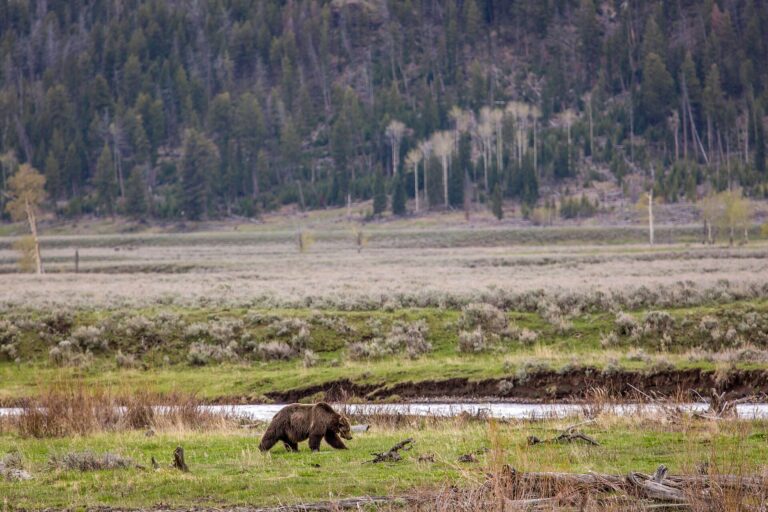
- Brown bear (Ursus arctos), which includes grizzlies and the huge coastal Kodiak bears of Alaska.
- American black bear (Ursus americanus), the most numerous bear on Earth, with a North American population estimated at 850,000 to 950,000 (IUCN, 2016).
- Polar bear (Ursus maritimus), the largest land carnivore. Adult males typically weigh about 770 to 1,300 pounds.
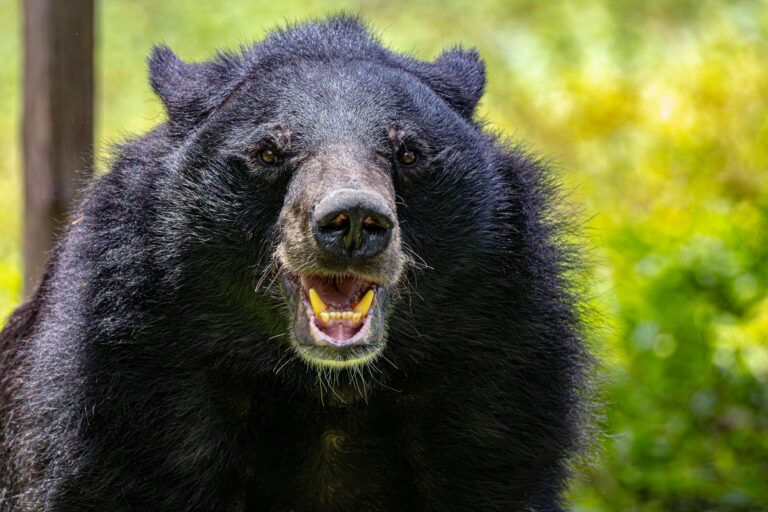
- Asiatic black bear (Ursus thibetanus), recognisable by the pale crescent on its chest.
- Sun bear (Helarctos malayanus), the smallest bear, with adults often weighing under 100 pounds.
- Sloth bear (Melursus ursinus), an insect specialist from the Indian subcontinent.
- Andean bear (Tremarctos ornatus), South America’s only bear, also called the spectacled bear.
- Giant panda (Ailuropoda melanoleuca), which DNA studies confirmed is a true bear despite its near-total bamboo diet.
Quiz answers hiding in plain sight
A few facts come up again and again, so it helps to have them ready:
- Closest relatives. Bears belong to the order Carnivora, and their closest living relatives are the pinnipeds (seals, sea lions and walruses) and the musteloids (weasels, raccoons and their kin).
- Fur layers. Most bears have a double coat: dense insulating underfur topped by longer, weather-shedding guard hairs. A polar bear’s guard hairs are hollow and transparent rather than white, and the skin underneath is black.
- Hibernation. During winter dormancy a black bear can drop its heart rate from around 40 to 50 beats a minute to as low as 8, and it can go months without eating, drinking or passing waste.
- Speed. Despite their bulk, brown bears can sprint at roughly 30 miles per hour, easily fast enough to outrun a human over a short distance.
- Smell. A bear’s sense of smell is rated among the keenest of any land mammal, far sharper than a bloodhound’s, which is why food storage is the core rule of bear country.
Conservation: which bears are in trouble?
Conservation questions trip a lot of people up. Of the eight species, six are listed as Vulnerable on the IUCN Red List: the polar bear, sun bear, sloth bear, Asiatic black bear, Andean bear and giant panda. The brown bear and the American black bear are both Least Concern, because their populations are large and broadly stable. The polar bear’s main long-term threat is loss of the sea ice it needs to hunt seals, while sun bears and sloth bears are pressured mainly by habitat loss and poaching. The giant panda is the rare good news story, moved from Endangered to Vulnerable in 2016 after decades of habitat protection in China.
Famous bears worth knowing
Trivia rounds love a famous bear. Smokey Bear, the US Forest Service wildfire prevention mascot, has been in use since 1944, and a real orphaned cub rescued from a New Mexico fire in 1950 later became the living Smokey. Winnie the Pooh was inspired by a real Canadian black bear named Winnie, who lived at London Zoo and was named after the city of Winnipeg. Knowing which is a fictional mascot and which is the real animal behind it is exactly the kind of detail a quiz likes to test.
Famous bears like these turn up on all kinds of gifts. For ideas, see our guide to the best bear gifts.
Cub and family facts
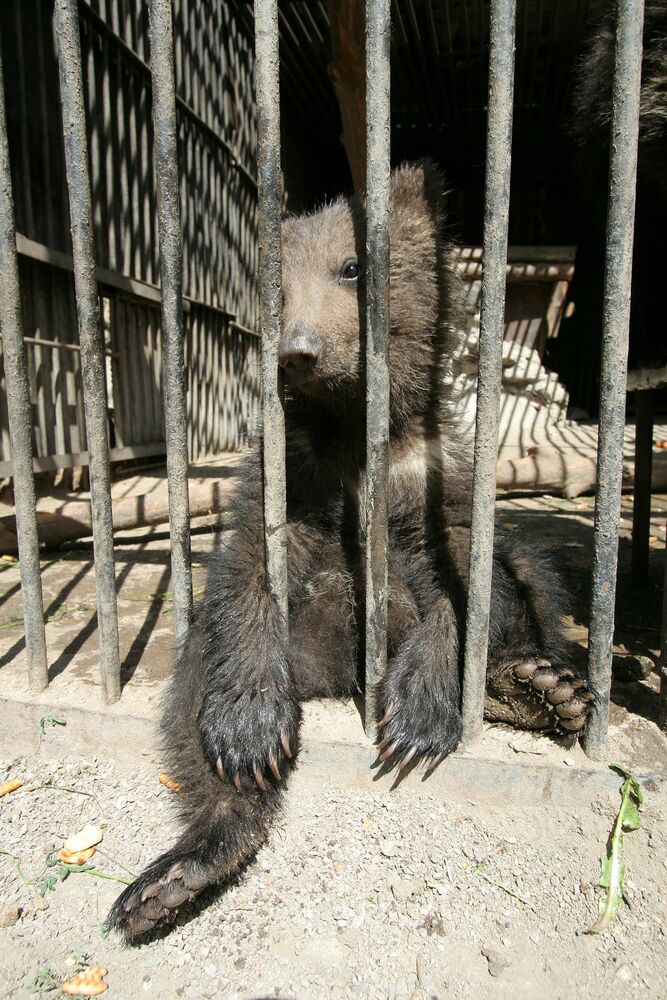
Reproduction is another favourite quiz topic. Bear cubs are famously tiny relative to their mothers. A newborn polar bear weighs about one pound, roughly the size of a guinea pig, while its mother may be several hundred pounds. Black bear and brown bear cubs are also born in midwinter, blind, nearly hairless and entirely dependent, while the mother is still in her den. Most bear species give birth to one to three cubs per litter, and the young typically stay with their mother for one and a half to three years, depending on the species, learning where to find food and how to den before they strike out alone. Bears do not breed every year because of this long period of maternal care, which is one reason populations recover slowly after a decline.
Diet surprises
Bears sit in the order Carnivora, but most of them are not big meat eaters at all. The American black bear’s diet is roughly 85 percent plants and insects: berries, nuts, acorns, grasses, ants and grubs. The giant panda takes this to an extreme, eating almost nothing but bamboo and spending 10 to 16 hours a day feeding, because bamboo is so low in nutrients. The polar bear is the true exception, the most carnivorous of all bears, relying on the fat of seals it hunts from the sea ice. The sloth bear, meanwhile, is built for termites and ants: it has a gap in its front teeth and can close its nostrils, letting it vacuum insects straight out of a nest. If a quiz asks which bear is the odd one out on diet, the answer is almost always the polar bear or the panda.
Test yourself
Cover the page and see how many of these you can answer: how many living bear species are there, which is the smallest, which bear is the most carnivorous, what are bears’ closest living relatives, and which bear was moved off the Endangered list in 2016. Has a bear question stumped you at a quiz? Email us at hello@lovebears.org.
When you are done, dig deeper with our species profile of the American black bear for a full picture of North America’s most common bear.
Bring bears home
Love what you read? Browse the We Love Bears store for gear and gifts inspired by these animals:
Every purchase supports more bear content on this site.
This article is part of our bear facts guide, which links every article on bear behaviour, safety and culture.
Updated 28 September 2026: corrected bears’ closest relatives, how long cubs stay with their mother, polar bear weights and dated the black bear population.

Seals and sea lions as the closest relatives would have caught me out. I’d have said dogs without thinking. Are dogs much further off, or just a different branch?