
Top 10 Bear Sanctuaries Worldwide For Bear Lovers
Last updated: September 28, 2026
5 min read
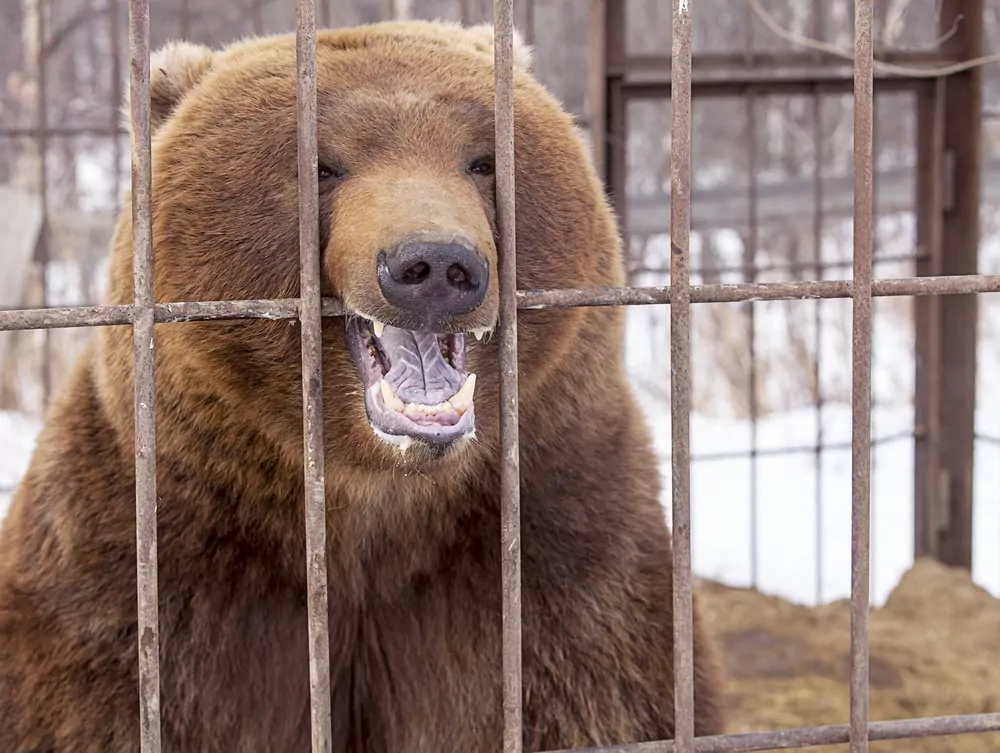
Bear sanctuaries do the unglamorous work that conservation NGOs cannot: lifetime care for individual bears rescued from the bile trade, restaurant cages, circus chains and the illegal pet trade. Almost none of these bears can ever go back to the wild, so what a sanctuary offers is a dignified retirement, proper veterinary care, and a chance to show the public what the trade actually does to an animal.
Bears continue to face persecution and abuse worldwide, and it does not much matter which species they are. Brown bears, Asiatic black bears, and the sun bear, the smallest in the family, all turn up in the same cages. The list below covers ten places doing something about it.
What makes a good bear sanctuary
A real sanctuary has four characteristics. Lifetime care, so the bears are never sold, traded or moved into commercial wildlife. Naturalistic enclosures with space, climbing structures, pools and den areas, not concrete pits. No breeding, because every cub born is a cub the sanctuary has to fund for decades. And transparent finances, with annual reports a supporter can actually read.
Several places that call themselves bear sanctuaries are roadside zoos, breeding facilities or cub-petting operations. Before donating or visiting, check for accreditation from the Global Federation of Animal Sanctuaries, or a formal agreement with a national wildlife authority.
Ten bear sanctuaries worth knowing
1. Idaho Black Bear Rehabilitation Center, USA
Based in Garden City, Idaho. Since 1989, more than two hundred bears have passed through its rehabilitation programme. Each bear is assessed individually, and the aim throughout is release rather than permanent captivity. The centre also runs education work on the ecological role bears play.
2. Bärenwald Müritz, Germany
A large forested bear sanctuary in Mecklenburg, run by the animal welfare organisation Four Paws. Most of the site is bear territory, with a smaller portion given over to visitor walkways. The residents are bears taken out of circuses, roadside enclosures and private ownership, and their behaviour is monitored closely for the damage that captivity leaves behind. Open to visitors, seasonally.
3. Bear With Us, Canada
An Ontario facility with an unusually broad remit: black bear rehabilitation, sanctuary care, education, and human-bear conflict resolution. Most of its intake is orphaned or injured cubs, alongside ex-circus bears and seized illegal pets. A lot of its conflict work happens by phone and email, talking homeowners through what is actually attracting bears to their property.
4. Bears in Mind, Netherlands
The Bear Forest at Rhenen has been running since 1993 and is usually described as the first sanctuary of its kind in Europe. Its bears roam a couple of hectares of woodland shared with other wildlife, an arrangement designed deliberately to draw out natural behaviour that captivity suppressed. The foundation also funds bear projects well beyond its own site.
5. Animals Asia, China and Vietnam
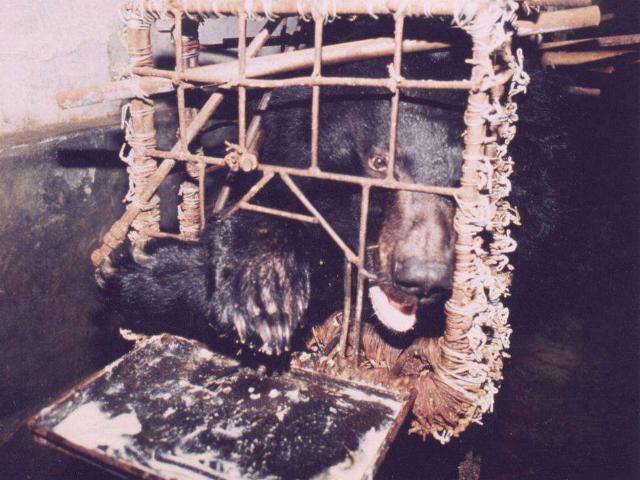
Animals Asia runs sanctuaries in China and Vietnam for bears rescued from bile farming, where animals are held captive so their bile can be extracted from the gallbladder. The organisation has rescued hundreds of bears, and the sanctuaries double as research sites into the long-term psychological and physical damage the practice causes. Many rescued bears still show stress behaviours years later.
6. Medveotthon (Bear Farm), Veresegyház, Hungary
Established in 1998 and maintained with local government support. Bears live among other animals, including wolves, in wooded enclosures with trees to climb and water to play in. Visitors can watch at close range without disturbing them.
7. Appalachian Bear Rescue, USA
A black bear rehabilitation facility in Townsend, Tennessee, operating since 1996. It takes in orphaned and injured bears, raises them with minimal human contact, and returns them to the wild. Several hundred bears have passed through since it opened. It offers memberships and runs education programmes in schools.
8. Wildlife Friends Foundation Thailand
Founded by Edwin Wiek, WFFT rescues all kinds of animals, but its founder has been particularly vocal about the bear trade and the keeping of bears as exotic pets. One recurring intake is temple bears: cubs bought as pets and then abandoned at temples once they grew too large to handle.
9. Bioresource Research Centre, Pakistan
Based in Islamabad, the BRC works against bear baiting, a blood sport in which a bear has its teeth and claws removed, is chained, and is set against trained dogs repeatedly. Staff monitored planned baiting events so authorities could stop them, and World Animal Protection reported no baiting events in Pakistan in 2019. Confiscated bears go to the Balkasar Bear Sanctuary in Punjab. The centre also works through schools and mosques to shift public opinion.
10. Bornean Sun Bear Conservation Centre, Malaysia
Founded in Sabah by Wong Siew Te. Its residents are sun bears, the world’s smallest bear and a heavily hunted one, killed for gall bladders and body parts. Poaching leaves large numbers of orphaned juveniles, and the centre takes them in and rehabilitates them in a naturalistic forest enclosure. See our Malaysia bear guide for how to visit.
The networks behind the list
Two organisations run multiple sites between them. Animals Asia operates sanctuaries in Vietnam and China focused on bile farm rescues. Free The Bears operates sites in Cambodia, Laos and Vietnam, focused on sun bears and moon bears across Southeast Asia. Others on this list are wholly independent single-site operations, which changes how you should read their finances and their capacity.
Visiting responsibly
Most accredited sanctuaries accept visitors, but on their terms rather than yours. Drop-in petting and cub-holding are red flags: any sanctuary that lets you handle a bear cub is breeding bears for tourist photos, which is the opposite of sanctuary work. Real visits are structured, scheduled and educational. Bring a long lens; the bears are visible from observation walkways. For more on what you will be looking at, see our guide to bear behaviour.
Frequently asked questions
Are bear sanctuaries the same as zoos?
No. Sanctuaries take in rescued bears for lifetime care and do not breed, sell or trade animals. Zoos typically have breeding programmes and exhibit acquired or zoo-born animals. A real sanctuary will not let you handle the bears.
Can rescued bears be released back to the wild?
Almost never. Bears rescued from bile farms, circuses or the illegal pet trade are usually too imprinted on humans or too physically damaged to survive. Most live out the remainder of their lives in care. The exception is the rehabilitation centres on this list that take in orphaned wild cubs, where release is the whole point.
Which is the largest bear sanctuary in the world?
By bear count, the Libearty Bear Sanctuary at Zarnesti in Romania is usually named as the largest single site, with more than a hundred rescued brown bears on a forested hillside. By network, Animals Asia and Free The Bears hold the most bears between them across Asia.
Related reading
- Bear conservation pillar
- Types of bears: all eight species
- Bear safety: black, brown and polar bears
- The trade in bear parts
Updated 28 September 2026: corrected the Pakistan sanctuary to Balkasar and updated the bear-baiting status.
Are you familiar at all with the Northern Lights Wildlife Society? They do awesome work with injured and orphaned bears as well as other wildlife. Worthy of an honourable mention.
The bit about cub-holding being a red flag hit home. A friend posted photos of herself bottle-feeding a bear cub on holiday and I never knew how to bring it up with her.
How do you check whether a place is accredited by the Global Federation of Animal Sanctuaries? Is there a public list somewhere, or do you have to ask the sanctuary directly?
My old neighbour in Tennessee used to talk about taking an orphaned cub to Appalachian Bear Rescue years ago. She said they barely let her look at it after that, which annoyed her at the time.
That hands-off approach is the whole point, I’m afraid. The less a cub sees of people, the better its odds after release. Did she ever hear whether it went back to the wild?
I think so. She mentioned a letter from them saying it had gone back to the mountains, and after that she was a lot less grumpy about it.