
Conservation Spotlight On The “Yeti”: Saving The Himalayan Brown Bear
Last updated: November 5, 2026
3 min read
The Himalayan brown bear is the animal behind at least one famous Yeti specimen, and it is in far more trouble than the legend.
The Himalayan brown bear is also a conservation priority. Read more in our guide to bear conservation.
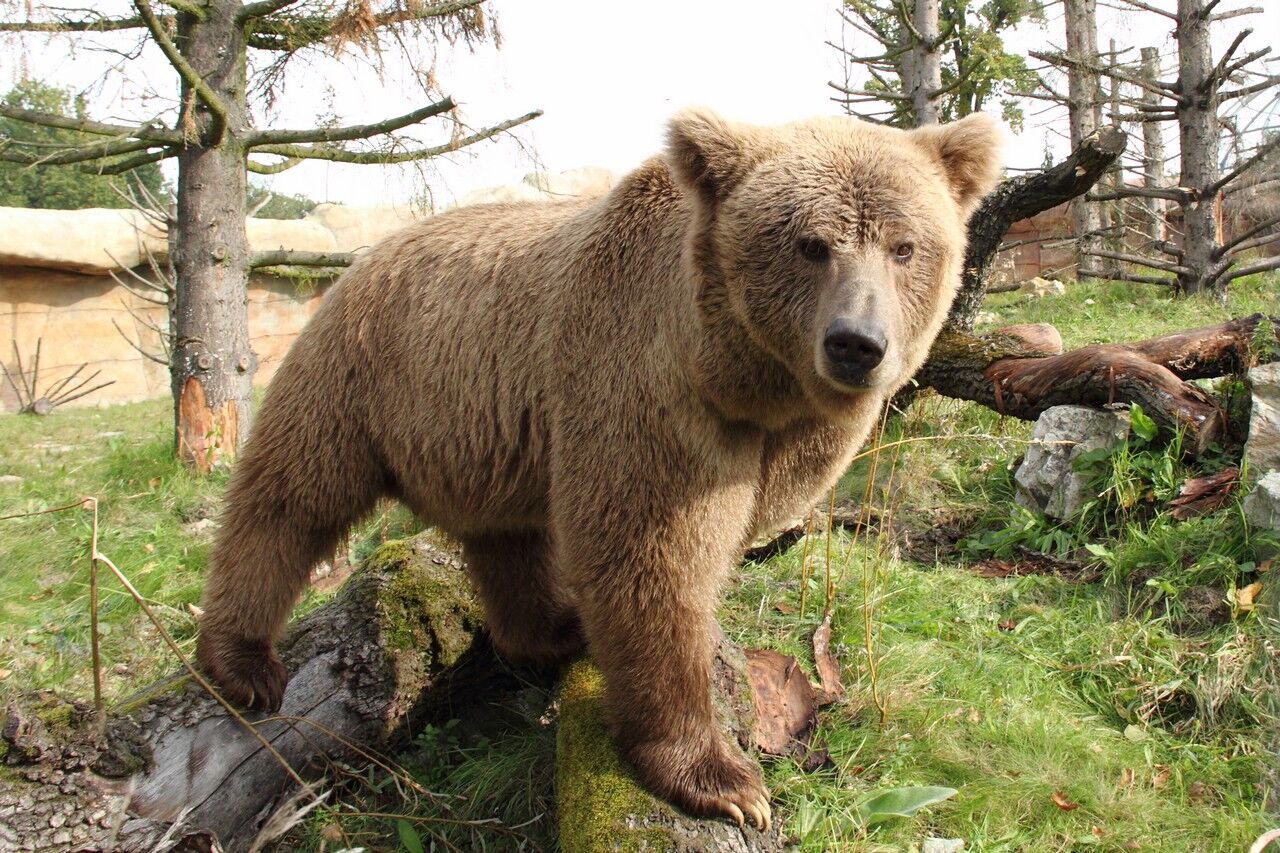
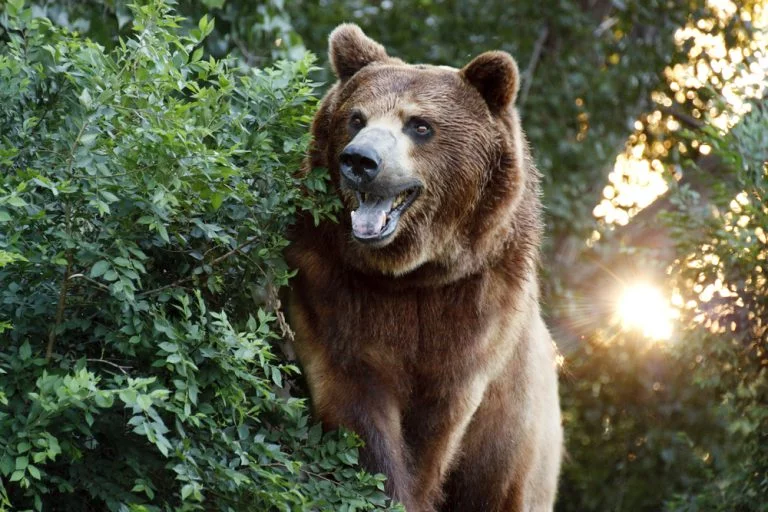
Adult Himalayan brown bear at Zoo Hluboka (Photo: Zoo Hluboka CC BY-SA 4.0)
The Himalayan brown bear (Ursus arctos isabellinus) is a subspecies of the brown bear, one of the most widely distributed bears on Earth. Brown bears are common across much of Europe, Asia and North America, and the species as a whole is listed by the IUCN as Least Concern.
The Himalayan subspecies is a different story. It is confined to the western Himalayas across Pakistan, India and Nepal: Khunjerab, Deosai and Nanga Parbat in Pakistan, Jammu and Kashmir, Himachal Pradesh and Uttarakhand in India, and central Nepal. It is listed on CITES Appendix I, and in Pakistan it is classified as critically endangered.
Characteristics, and the Yeti connection
Males reach 1.5 to 2.2 metres in length, females 1.37 to 1.83 metres. The coat is typically sandy or reddish brown, which is where the alternative name Himalayan red bear comes from. Large head, small ears and eyes, shaggy fur, thick limbs.
They are omnivores, eating grasses, roots, insects, small mammals, fruit and berries, and they will take livestock where it is available. In parts of the Indian range, an unsettling proportion of the diet is human waste: a Wildlife SOS study of bears near garbage sites in Kashmir found close to 75 percent of their food came from human waste, which tells you a great deal about how compressed their habitat has become.
Genetically, this bear sits on the most ancient of the brown bear lineages.
The Yeti, the Dzu-Teh, and the DNA
The Nepalese term “Dzu-Teh” has long been associated with Yeti stories, and the bear’s range overlaps the areas where sightings are reported. In 2017 a genetic analysis by Lan and colleagues examined a mummified animal purported to be a Yeti and showed it was a Himalayan brown bear.
That is one specimen, tested and identified, not a claim that every Yeti report is this bear. But it is the most concrete thing anyone has established about the legend, and it makes the bear itself considerably more interesting than the myth.
What is pushing the bear toward extinction
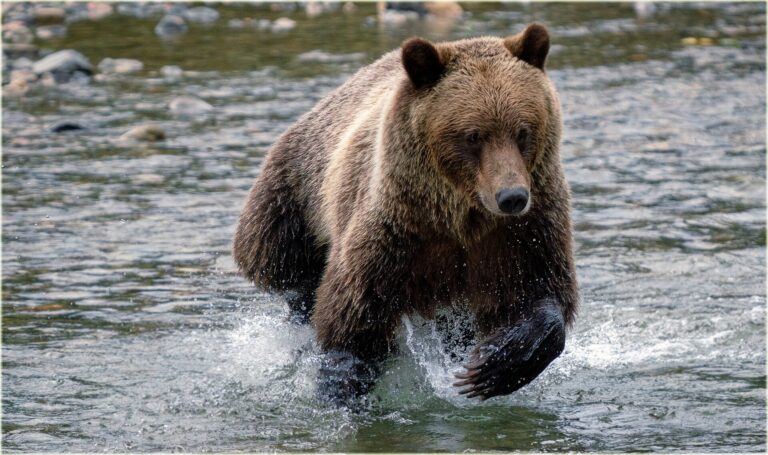
Closeup of a Himalayan brown bear, also called the Himalayan red bear.
The bear lives in several protected areas and is still becoming rarer. The pressures are almost entirely human:
- Small, isolated populations that cannot easily reach one another, in part because political boundaries cut across the range.
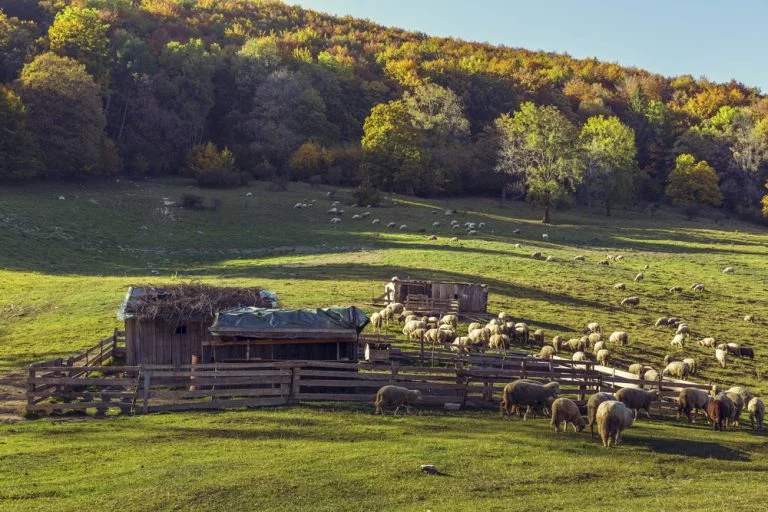
- Retaliatory killing. Shepherds shoot bears to protect livestock.
- Poaching for fur, claws and internal organs, the last for use in traditional medicine.
- Habitat loss from commercial tree harvesting, overgrazing, farming and unsustainable resource extraction.
- Bear baiting, which still persists in Pakistan and which favours large bears.
Numbers are low. Pakistan’s population was put at roughly 150 to 200 individuals in 2007, and a 2022 survey documented 66 bears in Deosai National Park and the neighbouring valleys. Comparable range-wide figures for India and Nepal are harder to come by.
Bring bears home
Love what you read? Browse the We Love Bears store for gear and gifts inspired by these animals:
Every purchase supports more bear content on this site.
What the future holds
Deosai National Park in Pakistan holds the strongest single population and is where most of the field research has happened. The Snow Leopard Foundation in Pakistan has run bear research there for years, has worked on identifying suitable habitat, has proposed wildlife corridors to connect isolated groups, and runs education programmes aimed at improving tolerance among the people who share the ground with these bears.
Corridors are the key idea. A population of a few dozen animals in one valley is not viable on its own, and the political boundaries that fragment this range are not going anywhere. Connecting the fragments is the only realistic route to recovery.
Reliable population data for the Indian and Nepali parts of the range is thin.
This article is part of our bear conservation guide, which links all our conservation, rescue and wildlife crime reporting.
Updated 28 September 2026: corrected the CITES listing to Appendix I and sourced the diet figure.

Does the Snow Leopard Foundation take volunteers from abroad for the Deosai work, or is it local staff only?
The Yeti turning out to be a bear doesn’t disappoint me at all. A shaggy reddish bear standing up on a snowfield at a distance would fool most of us. Were other so-called Yeti samples ever tested, or just the one?