
Are Squirrel Grain Stockpiles To Blame For Bear-Train Collisions?
Last updated: November 5, 2026
2 min read
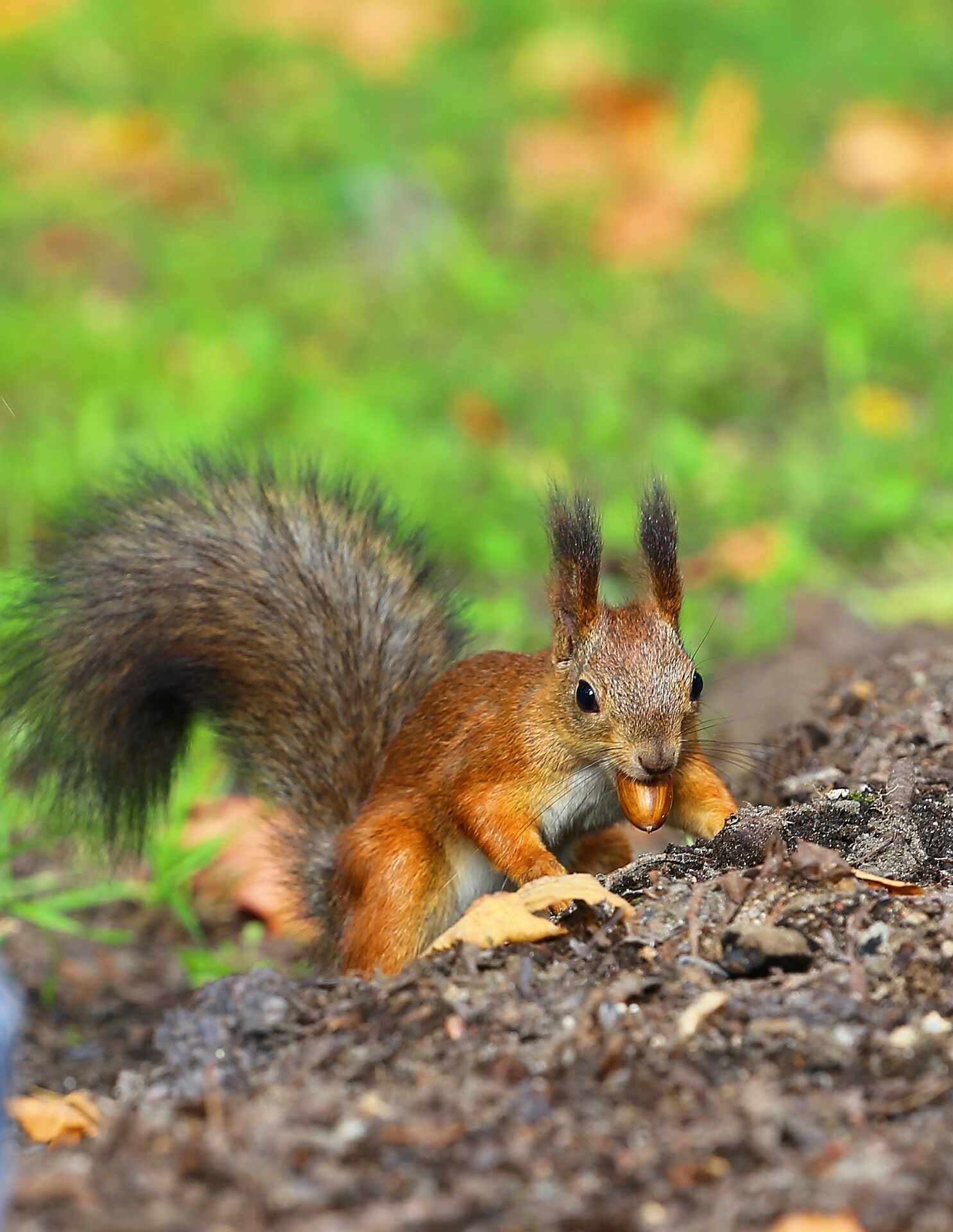
Grain falls off trains in Banff and Yoho, red squirrels cache it beside the track, and grizzly bears come to dig it out. That chain is the reason a rail line running through two national parks has become one of the more stubborn bear mortality problems in Canada.
The problem
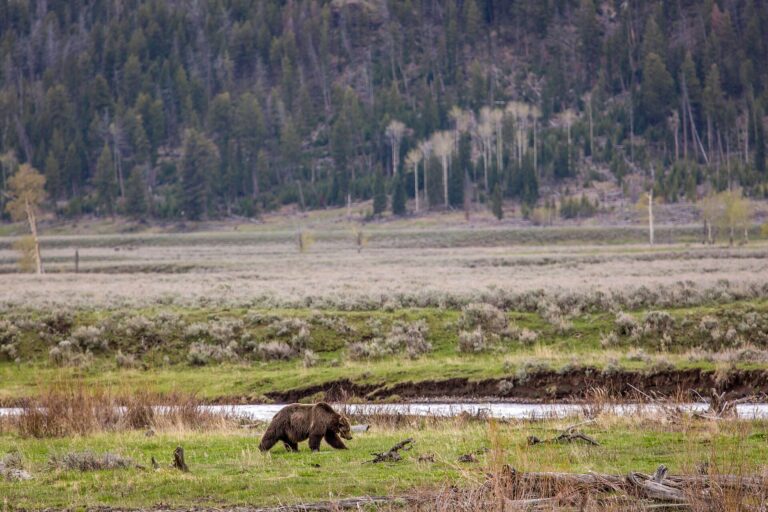
Parks Canada has recorded 19 grizzly deaths on the railway in Banff National Park since 2005 (as of May 2026). Banff holds about 71 grizzly bears (Parks Canada study, 2025), so that is a serious bite out of a small population, and it prompted a joint research programme between the University of Alberta and Canadian Pacific to work out why bears keep ending up on the tracks.
Where the food comes from
The corridor through the parks is a grain route to the port of Vancouver. Hopper cars leak, and wheat, canola and barley end up in the ballast between and beside the rails. Researchers estimated the spillage at enough to feed dozens of bears a year.
The squirrel part is the twist. Red squirrels find the spilled grain long before the bears do and pile it into middens, the heaped larders they keep near their territories. A midden concentrates what was a thin scatter of kernels into a dense, findable, high value cache. Grizzlies raid squirrel middens anyway. Now some of those middens sit a few metres from an active main line, and a bear digging one out is a bear that stays on or beside the track for a long time rather than crossing it and moving on.
Grain is not the only draw. Animals killed by earlier trains are scavenged by bears, and seed spread through droppings germinates along the embankment and feeds the herbivores that the bears are also interested in. Each collision makes the next one a little more likely.
What has been tried
- Reducing spillage. Repairing and maintaining hopper cars so less grain escapes in the first place. This has cut spills without eliminating them.
- Cleaning up what does spill. Vacuum equipment to lift grain out of the ballast. Determined bears still work the gaps for whatever is left.
- Deterrents. Trials of noise emitters, warning systems and electrified matting intended to make the track edge unpleasant rather than harmful.
- Mapping hotspots. Identifying the stretches where bears concentrate so crews and monitoring can be focused there.
A separate study in 2020 found train speed to be the single largest factor in wildlife deaths along the same corridor, which is the awkward finding, because speed is the hardest variable to change on a freight main line.
Bring bears home
Love what you read? Browse the We Love Bears store: bear plush toys, bear books and bear mugs. Buying through the store is what funds the writing here.
For the wider picture, see our bear conservation guide.
This article is part of our bear facts guide, which links every article on bear behaviour, safety and culture.
Updated 28 September 2026: updated the railway death count and the Banff grizzly population.

Took the train through the Rockies years ago and never gave the grain cars a thought. Squirrels doing the work of piling it up for the grizzlies is such an odd chain of events.
Has anyone tried simply slowing the trains through the worst stretches? I get that it costs the railway time, but a few slow kilometres seems cheap next to losing grizzlies from a population that small.
I wondered the same. As I understand it, one slow section affects every train on a busy freight line, so the railway resists it hard. The hotspot mapping might make a short, targeted zone easier to argue for.