Bear Watching in Romania’s Carpathians
Last updated: November 16, 2026
7 min read
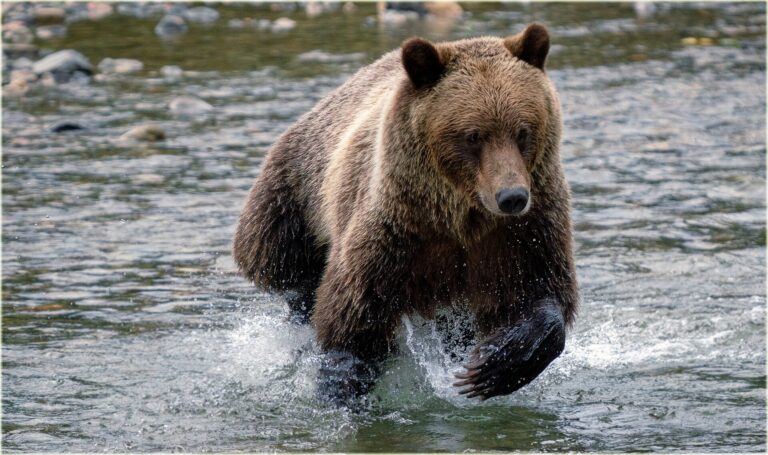
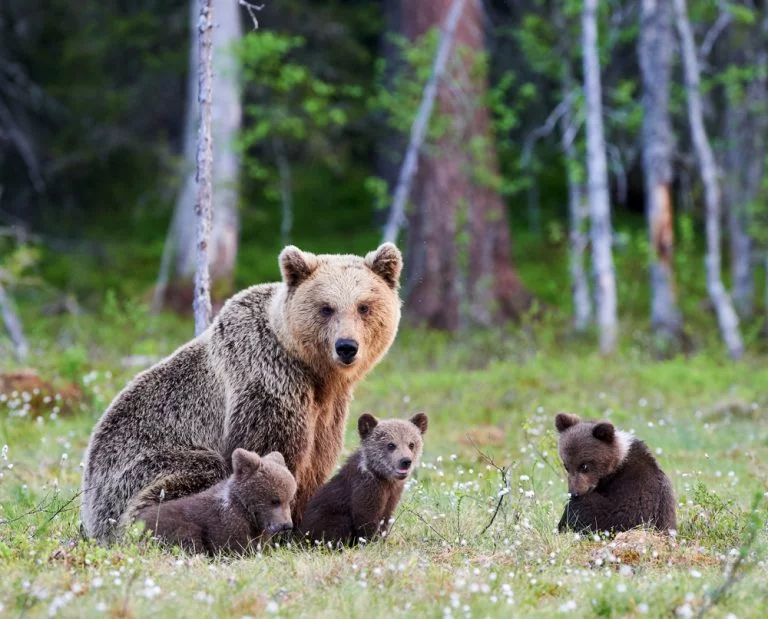
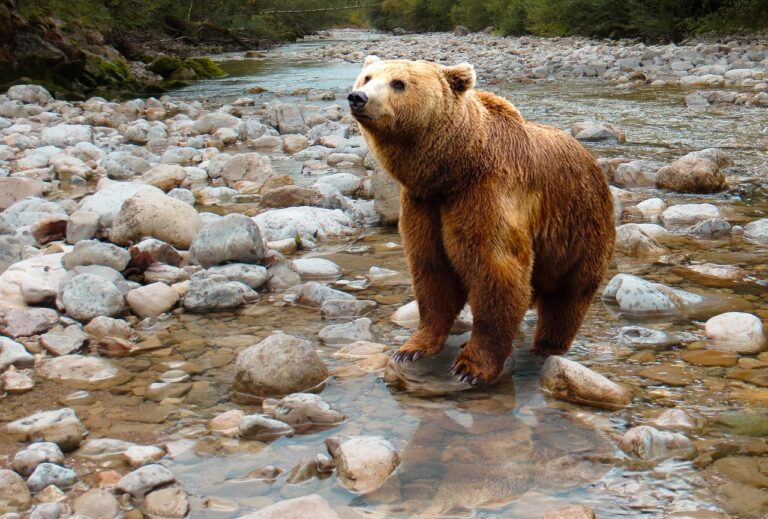
Romania holds the largest brown bear population in Europe outside Russia. A national genetic study for the Romanian environment ministry, published in 2025, estimated 10,657 to 12,787 bears (central estimate 11,651 for 2023), concentrated in the forested folds of the Carpathians, although the number is politically loaded in Romania and you will see lower figures quoted by people who want a smaller cull and higher ones by people who want a bigger one.
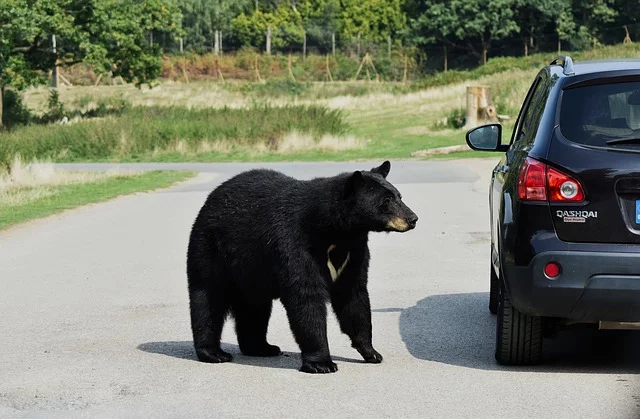
Unlike Yellowstone, you will not see them from a car. Unlike Alaska, there are no platforms over salmon. Romanian bear watching happens from purpose-built hides, late in the afternoon, usually within about 90 minutes of Brasov, and almost always through a licensed local guide.
When to go
| Window | Dates | What you see | Conditions |
| Spring emergence | Mid April to late May | Bears post-hibernation, mating pairs in late May, surviving cubs of the previous year | Cool nights, snow on higher slopes |
| Summer activity | June to mid August | Adults and family groups regularly, longer evenings | Warm, midges in some valleys |
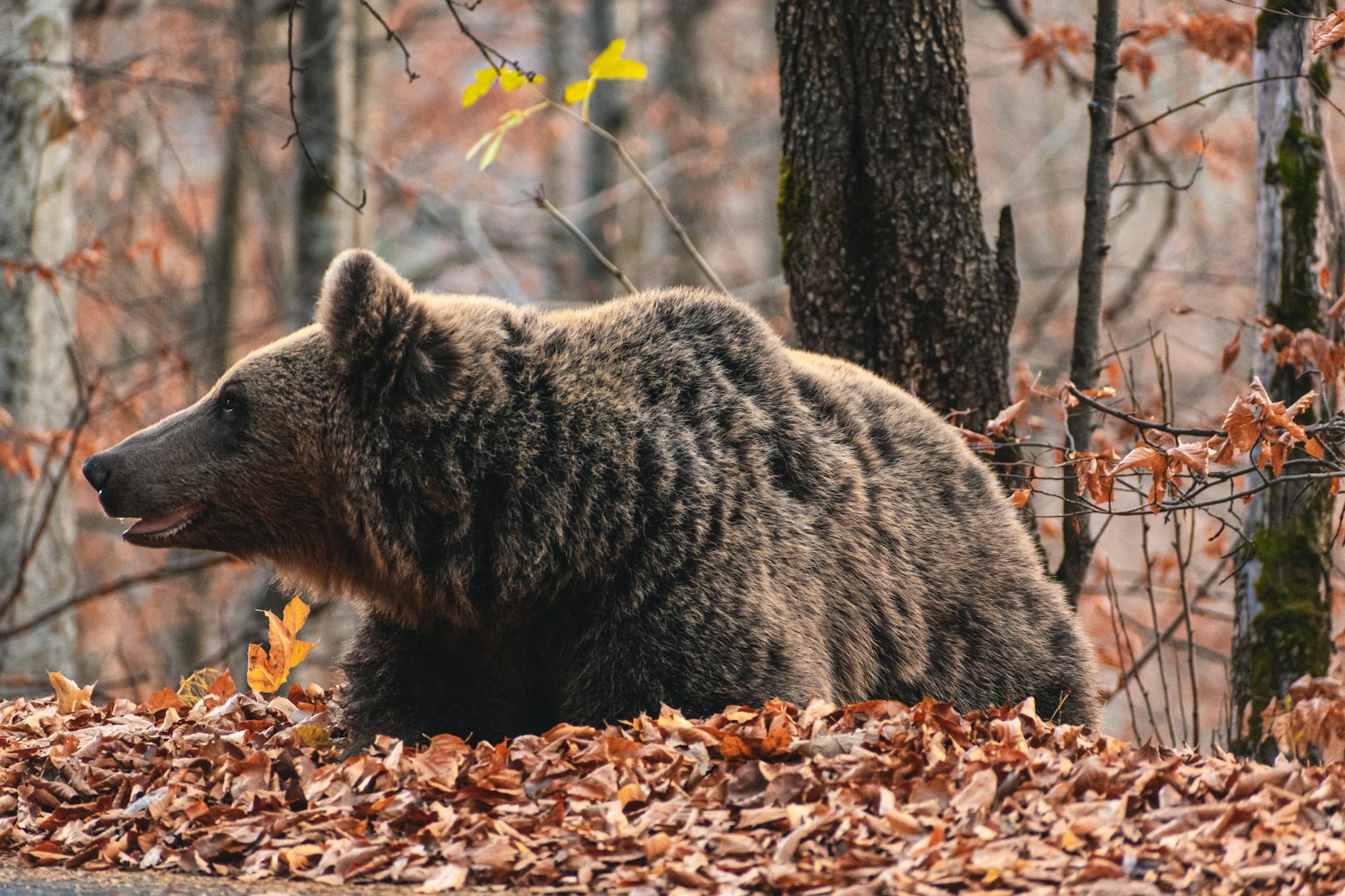
| Autumn hyperphagia | Late August to October | Peak activity at hides, mast-feeding bears, the biggest males | Cool, turning leaves, the best light |
| Off-season | November to mid April | Bears denning, hides closed | Not applicable |
Romania is meaningfully cheaper than Alaska or Churchill for the same broad experience.
Why Brasov
Brasov sits in a basin at the foot of the Bucegi and Piatra Craiului mountains. Within a 60 km radius you have Piatra Craiului National Park, the Bucegi Natural Park, the Postavarul, Piatra Mare and Ciucas massifs, and the Libearty bear sanctuary at Zarnesti.
Dense beech and spruce forest, forest roads built for logging, and a long tradition of observing wildlife from forestry hides have made this the operational centre of Romanian bear watching. Most operators are based here or in nearby Zarnesti.
How a hide visit works
The standard model is an afternoon transfer from Brasov by 4×4 to a forest road, then a five to thirty minute walk to the hide. The hides are converted hunting towers or purpose-built wooden cabins holding four to twelve people. You arrive an hour and a half to two hours before dusk and stay until full dark.
Most hides look over a clearing where the operator has placed carrion, fruit or grain in regulated quantities earlier in the day. The animals are not pets and they are not fed every day. They pass through, sometimes singly, sometimes in family groups, sometimes with red foxes and wild boar mixed in.
You will be asked to sit quietly, shoot only through the slit windows, and silence your phone. Flash is forbidden in almost every hide, and a serious operator briefs you on all of this before you leave the vehicle.
Operators advertise sighting rates in the region of 80 to 95 percent per evening in season. Treat that as a marketing claim rather than a measured statistic. It is broadly consistent with what visitors report, and it is not a guarantee.
For the species behind all of this, see our brown bear species profile, and the Cantabrian brown bear profile for a western European comparison.
The four main areas
- Piatra Craiului and the Zarnesti corridor. The most photographed and most reliable area, with multiple hides on the eastern flank of the ridge. Vehicles depart Brasov or Zarnesti.
- Bucegi Natural Park. Southwest of Brasov via Sinaia and Busteni. Fewer hides, wider landscape, and the option to combine with hiking on the Bucegi plateau.
- Postavarul and Piatra Mare. Closest to Brasov and the workhorse for half-day evening packages.
- Apuseni and the western Carpathians. Three to five hours from Brasov, lower bear density, much lower visitor pressure. Multi-day fly-camp options for photographers.
Operators
The market is mature and dominated by a small number of established names. Confirm current licensing and read recent reviews before booking, because the regulatory environment has moved more than once.
- Carpathian Travel Center, Brasov-based: half-day hide trips and multi-day photography tours.
- Roving Romania, Brasov-based: wildlife and birding focus, photographer-friendly group sizes.
- Absolute Carpathian, Zarnesti-based: smaller groups, specialist photography.
- Audley Travel, Naturetrek and Wildlife Worldwide: UK operators packaging Romanian hide trips with transport and hotels.
Half-day hide trips from Brasov run roughly EUR 80 to 150 per person. Multi-day photography programmes run EUR 1,500 to 3,000 per person for five to seven nights, all in.
A word on Romanian bear policy
Romania banned trophy hunting of brown bears in 2016. Culling quotas have since been reintroduced and revised repeatedly, usually after a serious human-bear incident, and the argument over population size and quota level is a live national political fight rather than a settled question. A 2026 law sets quotas of 859 preventive culls a year for 2026 and 2027, plus 110 intervention culls (Euronews), and the Constitutional Court upheld it on 24 June 2026 (Spotmedia). If you want the current position, check a Romanian source at the time you travel. Anything written on this page a year ago may already be out of date.
The Libearty Bear Sanctuary at Zarnesti
If you have a spare half-day, walk through Libearty outside Zarnesti. Run by the Romanian charity Asociatia Milioane de Prieteni with support from World Animal Protection, it houses over a hundred brown bears rescued from cages outside hotels, monasteries and roadside restaurants across the country.
It is not a wildlife park. These are wild brown bears that cannot go back. Visits are guided, on a fixed route, and should be booked in advance; tickets are inexpensive but check the current price.
It is also good grounding before your first hide. The guides explain Romanian conservation history, the long shadow of Ceausescu-era trophy hunting, and the current policy arguments. See our bear conservation pillar for the wider framework.
Matching window to goal
| Goal | Best window |
| First-time viewing, any sighting | Mid June to mid September |
| Mating-pair behaviour | Mid May to mid June |
| Autumn photography in turning forest | Mid September to mid October |
| Family groups with cubs | June to August |
| Lowest visitor pressure | Early May or early October |
Avoid mid July to mid August weekends if you want quiet hides. Romanian school holidays and European group bookings cluster there.
Logistics
Getting to Brasov
- Fly into Bucharest (OTP) and take a two and a half to three hour train or transfer to Brasov.
- Sibiu (SBZ) is closer to the western and southern Carpathians but has fewer international flights.
- The Bucharest to Brasov rail line is scenic, trains run frequently, and second class tickets are around EUR 8 to 15.
Where to stay
- Brasov town: the full hotel range, roughly EUR 60 to 200 a night.
- Zarnesti: guesthouses and cabin lodges at EUR 40 to 100, closer to the hides and to Libearty.
- Bran, the Dracula’s castle town: tourist-heavy but fine as a base, 25 minutes from Zarnesti.
Other practicalities
- Romania uses the leu, but most operators take euros and cards.
- Romania joined the Schengen area for air and sea travel in March 2024, and for land borders from January 2025. Check your own entry requirements, which depend on your passport.
- Bear spray is sold in Romania, but you do not need it on a hide visit. Guides and biologists carry their own, and as a hide visitor you are with a guide throughout.
For the broader framework see our bear safety pillar, and for the activity patterns behind hide behaviour, our bear behaviour pillar.
What you will and will not see
Often: brown bears at 30 to 70 m, single males, mothers with second-year cubs, red foxes, wild boar.
Sometimes: wolves, lynx, mating chases, very large mature males.
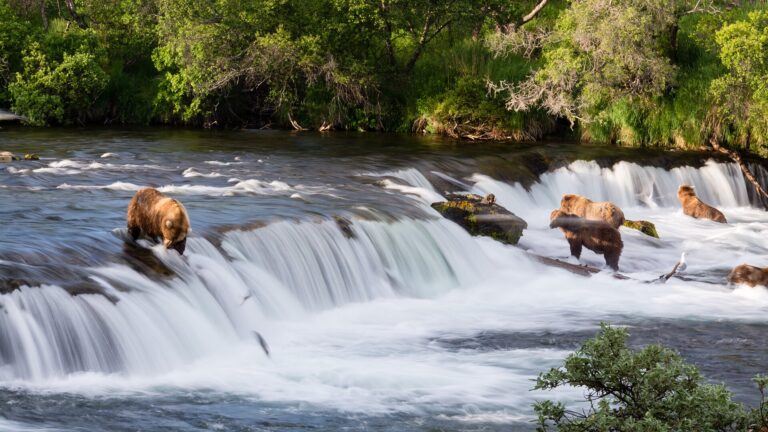
Never: bears fishing for salmon, because there are none.
How this fits the wider cluster
A Carpathian hide trip is the European complement to a North American bear-viewing trip: cheaper, shorter, far easier to reach from Europe, and no substitute for Alaska’s salmon falls or Churchill’s polar coast. Plenty of serious bear travellers do all three across a few years.
For the global picture see our 10 best places to see bears in the wild pillar and the bear photography pillar.
FAQ
When is the best time of year to see bears in Romania?
How likely am I to see a bear from a Carpathian hide?
Do I need a guide to see bears in the Carpathians?
How much does Carpathian bear watching cost?
Is baiting at Romanian hides ethical?
This article is part of our guide to the eight bear species, which links every species profile and viewing guide on the site.
Updated 28 September 2026: updated the Romanian bear population to the 2025 study, added the 2026 cull law and corrected the bear spray and hide management details.
Updated 16 November 2026: updated the population to the final 2025 ministry study and linked the sources for each figure.