Hokkaido Bear Watching: Brown Bears and Wildlife
Last updated: November 16, 2026
7 min read
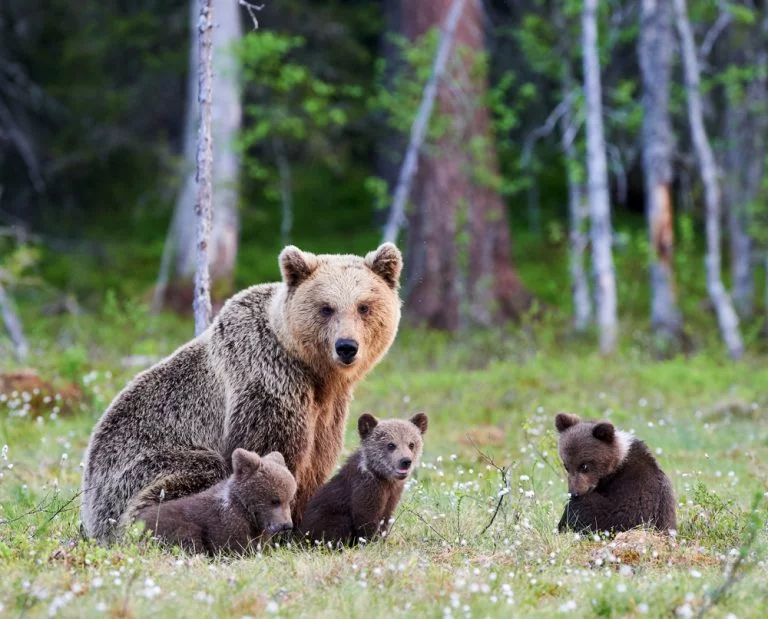
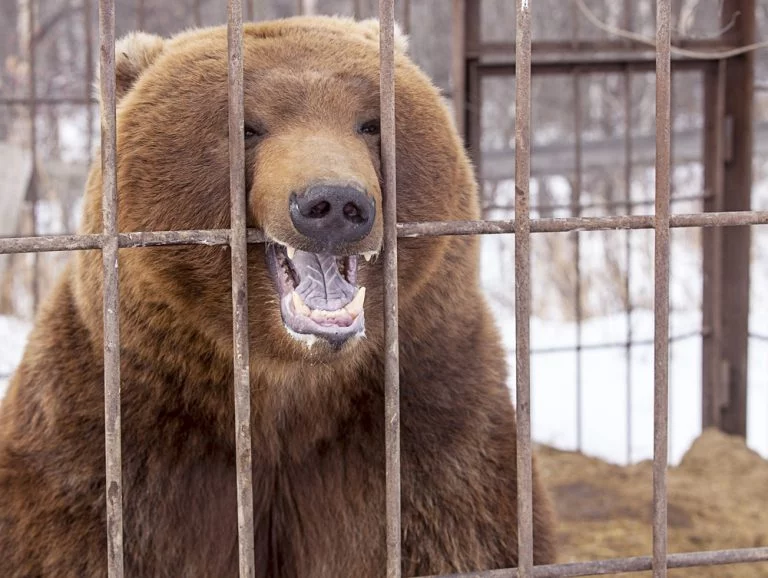
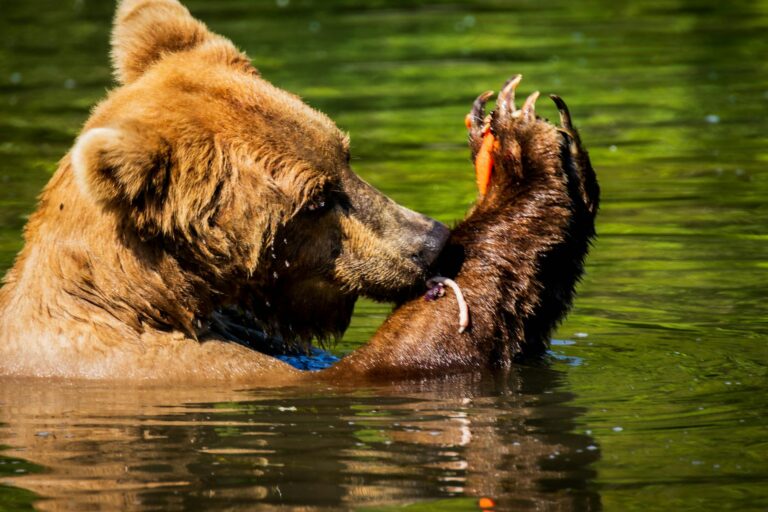
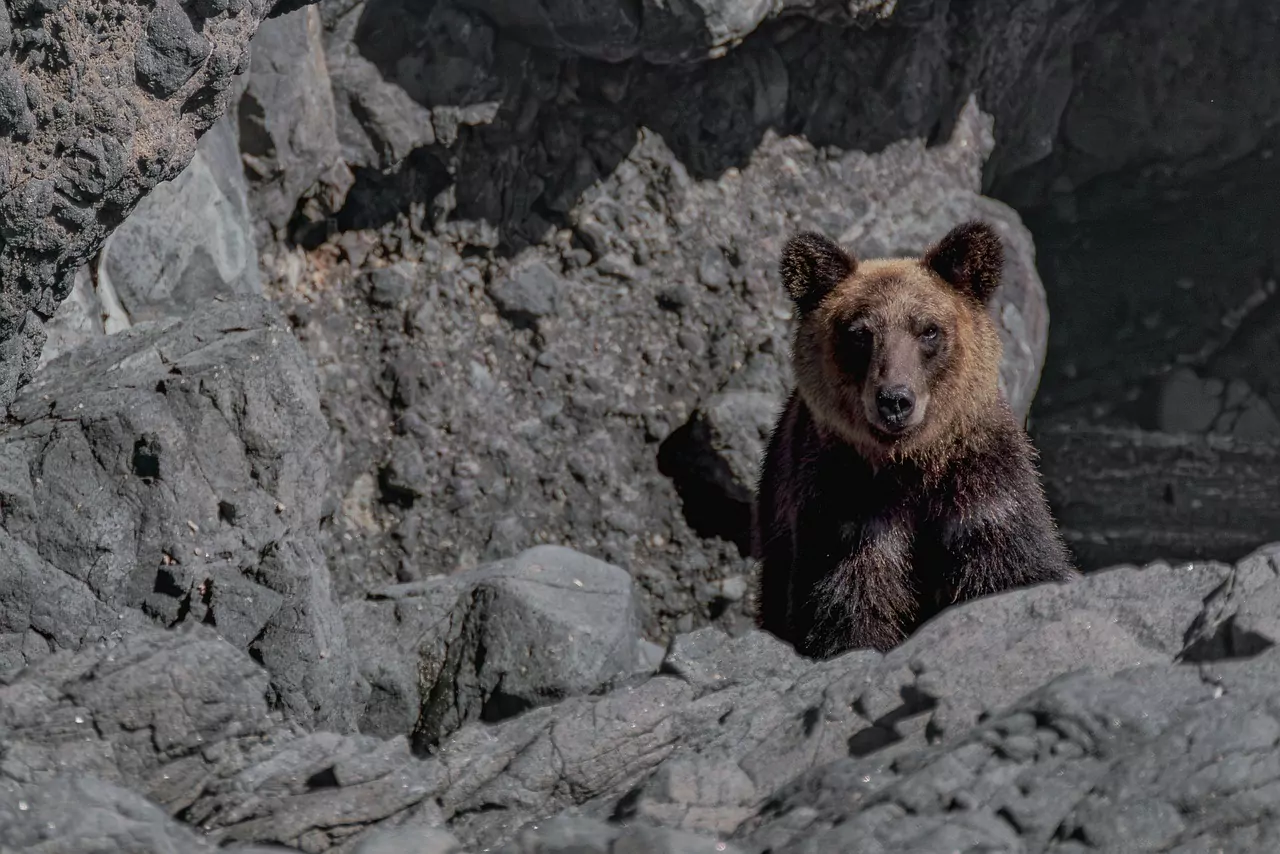
Hokkaido, the northernmost of Japan’s main islands, is home to the Ezo brown bear (Ursus arctos yesoensis), a subspecies of the Eurasian brown bear that reached the island from Sakhalin during the Ice Age. The Hokkaido government’s estimate for the end of 2024 puts the island population at roughly 12,300. They are the largest land animals in Japan, the only brown bears in the country, and the focal predator of an island whose conservation politics, salmon ecology, and tourist economy have shifted around them. Bear watching in Hokkaido is one of the most underrated wildlife experiences in Asia.
The headline location is the Shiretoko Peninsula on the island’s north-east coast, a UNESCO World Heritage site since 2005. Other significant areas include the Daisetsuzan high country in the centre, the Lake Mashu and Akan area in the east, and the Shari salmon fisheries. The standard high-probability experience is a boat-based viewing trip along the Shiretoko coast in late summer through autumn.
Quick comparison: Hokkaido bear-watching windows and locations
| Window | Location | What you see | Conditions | Cost tier |
|---|---|---|---|---|
| May to mid June | Shiretoko coastal cliffs | Post-hibernation bears, courtship pairs | Cool, occasional snow on Rausu side | $$ |
| mid July to late August | Shiretoko coast, Daisetsuzan | Adult bears grazing kelp, low-elevation foraging | Warm, often foggy | $$ |
| September to October | Shiretoko, Shari, Rusha | Salmon-feeding bears in coastal rivers | Cool, dramatic light, autumn colour | $$$ |
| November to April | n/a | Bears denning or scattered | n/a | n/a |
Cost tiers: $$ EUR 80 to 250 per day, $$$ EUR 250 to 500 per day.
Why Shiretoko: the geography
The Shiretoko Peninsula is a 70 km finger of mountains, cliffs, and old-growth forest jutting into the Sea of Okhotsk. The road network ends two-thirds of the way up: from the town of Utoro on the western coast, a road runs to Shiretoko Five Lakes and on towards Kamuiwakka, and Route 334 crosses Shiretoko Pass to Rausu. On the east side, the road from Rausu ends at Aidomari. Everything beyond is accessible only by boat or on foot under tight wildlife permit constraints.
The bear density here is among the highest in Asia. Published counts vary a lot depending on where the boundary is drawn: some sources give roughly 200 bears in a 388 square kilometre core area, others 400 to 500 across the peninsula as a whole. Treat any single number with caution. What is not in dispute is the driver: pink and chum salmon runs in late summer, an exceptionally productive kelp coast, and almost no human development. The combination of cliff coastline and boat access means you can watch bears foraging on the shoreline from 30 to 100 m offshore.
For species context, our brown bear species profile covers the wider Eurasian range, of which the Hokkaido Ezo bear is the easternmost extension.
The boat-based experience
Half-day and shorter boat trips depart from Utoro (north-west coast) or Rausu (south-east coast) from late April through October. Gojiraiwa Kanko runs smaller boats out of both ports, and the larger Aurora sightseeing vessels sail from Utoro. Smaller boats can work closer in to the shoreline; the bigger ones are steadier and better in swell.
The route hugs the cliff base. Crews scan ahead for bears foraging on shellfish at the tide line, grazing on coastal grass, or fishing in salmon-bearing streams. Cruises slow or hold position when a bear is sighted; encounters at 30 to 80 m are routine, occasionally closer when a bear is fishing in a coastal stream the boat can approach.
Prices start from around JPY 3,300 for a short 90-minute run and rise to roughly JPY 8,000 to 10,000 for the longer dedicated bear-watching cruises, with combined trips including dolphins, whales, and seabirds costing more again. Peak season (mid-August to mid-October) often sells out 4 to 8 weeks in advance.
Why boats and not platforms
Hokkaido does not operate a Brooks Falls-style platform system. The dense forest, vertical cliffs, and conservation priorities mean human access is mostly restricted to the road network and the boat lanes. There are small guided land tours into specific stream mouths (Kamuiwakka, Iwaobetsu) but these are limited, guide-led, and usually run only in spring and early summer before salmon-feeding bears concentrate at coastal streams.
Land-based viewing and other regions
Shari and the coastal rivers
The town of Shari sits at the base of the peninsula on the Sea of Okhotsk coast. Coastal river mouths such as the Iwaobetsu draw bears to spawning pink and chum salmon in September and October. Guided photographer-friendly day trips from Shari or Utoro use 4×4 transfer to viewing points along the lower river.
Daisetsuzan National Park
Japan’s largest national park, in the central Hokkaido high country. Bears here live in alpine willow, hemlock, and stone-pine zones. Sightings are not common from main hiking trails (which is part of the safety design) but occur from select view-points along the Sounkyo Gorge road and from Mount Asahidake’s lower slopes. Daisetsuzan is more important as a hiking destination than a bear-viewing destination; bear awareness here is the same discipline you would apply in Yellowstone or Glacier.
Lake Mashu, Lake Kussharo, and Akan
The Akan-Mashu National Park, in eastern Hokkaido, holds a smaller bear population. Guided ranger walks from Lake Mashu in summer give a credible chance of fresh bear sign and an occasional sighting.
When to go: matching window to goal
| Goal | Best window |
|---|---|
| Reliable bear sightings (boat-based) | mid August to mid October on Shiretoko coast |
| Salmon-feeding bears | September to October |
| Courtship and emergence behaviour | mid May to mid June |
| Lowest crowd levels | late September weekdays |
| Combined whales / dolphins / bears cruise | June to August |
The autumn salmon window (mid-September to mid-October) is the strongest single window. Light is long and warm, foliage is turning, bears are feeding heavily, and the foggy mid-summer disappears. Photographers should target this window above all others.
Logistics
Getting there
- Fly into New Chitose Airport (CTS) at Sapporo. Domestic and international service.
- Rail: Sapporo to Abashiri or Shari via JR Hokkaido (5 to 6 hours).
- Local hire car from Memanbetsu (MMB) or Nakashibetsu (SHB) airports for fastest access to Shiretoko.
- Most travellers fly Sapporo to Memanbetsu (about 50 minutes) and then drive 90 minutes to Utoro or 2 hours to Rausu.
Where to stay
- Utoro has a small cluster of ryokan and modern hotels at JPY 12,000 to 30,000 per night, well placed for north-coast cruises.
- Rausu has fewer but more bear-focused inns at JPY 10,000 to 20,000.
- Shari is a slightly cheaper base 30 minutes from Utoro.
Book 3 to 6 months ahead for September to October dates; the Shiretoko area is a domestic Japanese tourism peak in autumn for foliage as well as wildlife.
Permits and rules
- Wildlife permits are not required for ticketed boat cruises.
- From 10 May to 31 July, the Shiretoko Five Lakes ground trail is open only on paid tours with a registered guide.
- Hokkaido prefecture maintains a public bear alert system; check the local visitor centre for current bear-activity advisories before any hike.
For the wider safety framework see our bear safety pillar and the etiquette in our bear behaviour pillar.
What else you will see
A Shiretoko trip is rarely a bears-only itinerary.
- Steller’s sea eagles and white-tailed eagles in winter and shoulder seasons.
- Sika deer all year, with rut in October.
- Red foxes along the road and beach.
- Spotted seals and harbour seals on offshore rocks.
- Dall’s porpoise, orca, and sperm whales offshore in summer.
Most operators offer combined cruises that bundle bears, dolphins, and seabirds into a 3 to 4-hour trip.
Cultural context: Hokkaido bears and the Ainu
Brown bears (Kim’un kamuy, “god of the mountains”) occupy a central place in Ainu cosmology. The historical iyomante ceremony, in which a captive bear cub was raised and ritually sent back to the spirit world, has not been performed in its traditional form for many decades, but the bear remains a foundational figure in Ainu art, language, and conservation advocacy in northern Japan. Many Hokkaido operators include Ainu cultural sites (the Akan Ainu Kotan, the Nibutani Ainu Cultural Museum, the Upopoy National Ainu Museum at Shiraoi) in multi-day itineraries. Engaging with this context is the responsible way to visit.
For the broader human-bear cultural picture see our bear conservation pillar and the umbrella bear photography pillar.
FAQ
When is the best time to see brown bears in Hokkaido?
Where in Hokkaido is the best place to see bears?
How many brown bears are there in Hokkaido?
Are there bear-viewing platforms in Hokkaido like Brooks Falls in Alaska?
How do I get to Shiretoko?
What other wildlife will I see on a Hokkaido bear-watching trip?
This article is part of our guide to the eight bear species, which links every species profile and viewing guide on the site.
Updated 28 September 2026: corrected the Shiretoko road ends, guided trail rules and cruise prices, and dated the Hokkaido bear estimate.
Read next
- Bear Facts: 50+ Things to Know About the World's Bears
- Bear Safety: How to Stay Safe Around Black, Brown, and Polar Bears
- Fat Bear Week 2025: The Winner, the Bears, the Story
Updated 16 November 2026: updated the Hokkaido brown bear estimate to the end of 2024 figure.