

A Romanian Bear And Her Cubs Cut off Dracula’s Castle
Last updated: September 28, 2026
2 min read
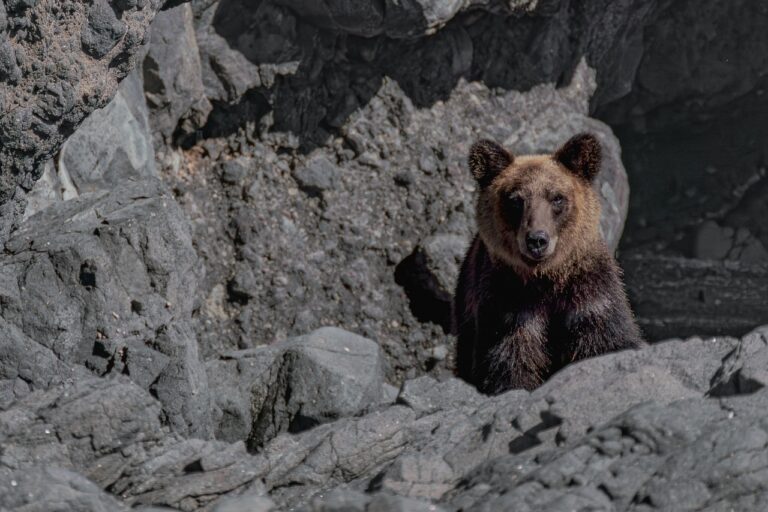
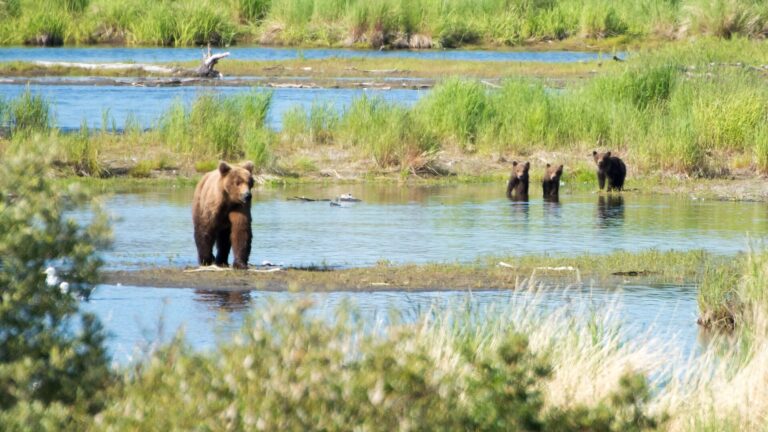
A protective female brown bear and her cubs closed off public access to one of the castles linked to Vlad the Impaler, the historical figure behind the Dracula legend.
The fortress in question is Poenari Castle, high above the Arges river valley in Arges County, southern Romania, near the village of Arefu. It is not Bran Castle in Transylvania, which is the one most tour buses stop at, and it is nowhere near Bucharest. Poenari is the ruin that Vlad the Impaler actually repaired and used in the 15th century, which is what makes it interesting to visitors in the first place.
The citadel sits on top of Mount Cetatea and is reached by climbing 1,480 concrete steps. That climb is the whole appeal for most people who make the trip. In 2017 it stopped being an option.
Romanian authorities declared the castle off-limits
In late May 2017, local authorities closed the site for the safety of visitors after a series of close encounters between tourists and a sow with three cubs on the stairway and around the ruins.
Approaching a female brown bear with cubs is one of the most dangerous things you can do in bear country. A large share of serious brown bear attacks come from sows defending cubs against something they read as a threat, and a narrow staircase up a mountainside gives neither party an easy way out.
Handling the situation
The environment ministry gave the go-ahead to capture and relocate the bears, but local officials had not settled on where to move them to.
Police pointed at the visitors themselves. Food left on the stairs and around the ruins is what brings bears back to a site, and once a bear connects people with an easy meal it becomes food-conditioned. That is a bad outcome for the bear far more often than for the tourist. Our guide to food-conditioned and habituated bears covers the difference and why it matters.
Romania’s wider bear problem
Romania holds the largest brown bear population in Europe outside Russia. At the time of the Poenari closure the figure most often quoted was around 6,000 bears, up from roughly 1,000 half a century earlier. A 2025 genetic study put the number at 10,419 to 12,770, and the argument over how many bears the country actually has is now central to the political fight over culling.
Related reading
Updated 28 September 2026: updated Romania’s bear population figure and removed unsourced size and share figures.
We did the climb at Poenari years ago and people were eating lunch all the way up those steps. Not hard to see how a bear would work out where the food was.
Did they ever move the sow and cubs in the end? The post says officials had not picked a place, and I could not find out what happened after that.