
Bear with Us: A Grizzly Bear Trivia Challenge!
Last updated: November 5, 2026
4 min read
The grizzly bear, the inland form of the North American brown bear, is one of the continent’s most iconic large mammals. Before you tackle the 10 question trivia game below, this guide gives you the real facts behind every answer, from the muscle hump that powers its dig to why its range has shrunk so dramatically. Read it first and your score will thank you.
What Exactly Is a Grizzly Bear?
A grizzly is not a separate species from the brown bear. It is a population of brown bear (Ursus arctos) that lives inland, away from the salmon rich coast. The name “grizzly” refers to the grizzled, silver tipped guard hairs that give the coat a frosted look. Coastal brown bears such as the Kodiak bears of Alaska grow far larger because of their fatty salmon diet, while interior grizzlies are generally smaller. An adult male grizzly typically weighs between roughly 400 and 790 pounds, with females noticeably lighter, though a well fed coastal brown bear can exceed 1,200 pounds.
Habitat
Grizzly bears are found primarily in North America, mainly in Alaska, western Canada, and parts of the northern contiguous United States, including Montana, Wyoming and Idaho. The Greater Yellowstone Ecosystem and the Northern Continental Divide region around Glacier National Park hold the largest U.S. populations south of Canada. This is a fraction of the historic range. Before European settlement, grizzlies roamed from the Pacific coast across the Great Plains and into Mexico, and as many as 50,000 once lived in what is now the lower 48 states.
Diet
Grizzlies are omnivores, and despite their fearsome reputation, the bulk of their diet is plant matter: berries, roots, bulbs, grasses, nuts and seeds. They round this out with insects, fish, carrion and mammals. Two food sources are especially important. In some regions, moths gathered in mountain talus slopes provide huge concentrated calories, and where salmon runs are accessible, bears gorge on fish to build the fat they need for winter. A grizzly can put on several pounds a day during this autumn feeding frenzy, a process called hyperphagia.
Behavior
Grizzly bears are typically solitary, though they will tolerate one another and gather in numbers at rich, concentrated food sources such as a salmon stream. Males can be aggressive during the spring and early summer mating season, and a mother with cubs is famously protective. That defensive instinct, not predatory hunger, is behind the great majority of grizzly attacks on people. Knowing this is why wildlife agencies advise hikers to make noise and never get between a sow and her cubs.
Conservation
Grizzly bears are not classified as globally endangered, since the brown bear as a species is listed as Least Concern thanks to large healthy populations in Alaska, Canada and Eurasia. The picture in the lower 48 states is different. There, grizzlies were listed as Threatened under the U.S. Endangered Species Act in 1975 after their numbers collapsed to fewer than 1,000 animals. Decades of protection have helped key populations recover, but the bears still occupy only a small slice of their former range, and habitat loss and human conflict remain the central threats.
Quick Facts to Remember
- The shoulder hump is pure muscle, powering the front legs for digging and turning grizzlies into formidable excavators.
- A grizzly’s claws can be 2 to 4 inches long, longer and straighter than a black bear’s, which is one of the easiest ways to tell tracks apart.
- Grizzlies enter a winter den and hibernate for roughly 5 to 7 months, depending on latitude and climate.
- Cubs are born in the den in midwinter, weighing only about a pound, and usually stay with their mother for two to three years.
- Despite their bulk, grizzlies can sprint at around 30 miles per hour over short distances.
Bear Trivia, 10 Questions & Answers Game: Get to Know the Grizzly!
Now put your knowledge to the test. Read each question, picture your answer, then check the answer below it.
Question 1: Where are Grizzly Bears mainly found?

Answer 1: North America, primarily in Alaska, western Canada, and parts of the northern United States.
Question 2: What do Grizzly Bears eat?

Answer 2: They are omnivores, eating both plants and animals including berries, roots, fish, and mammals.
Question 3: How do Grizzly Bears catch fish?

Answer 3: They use their powerful claws and jaws.
Question 4: Are Grizzly Bears solitary animals?

Answer 4: Yes, they are typically solitary, although they may gather near food sources.
Question 5: What is the conservation status of Grizzly Bears?
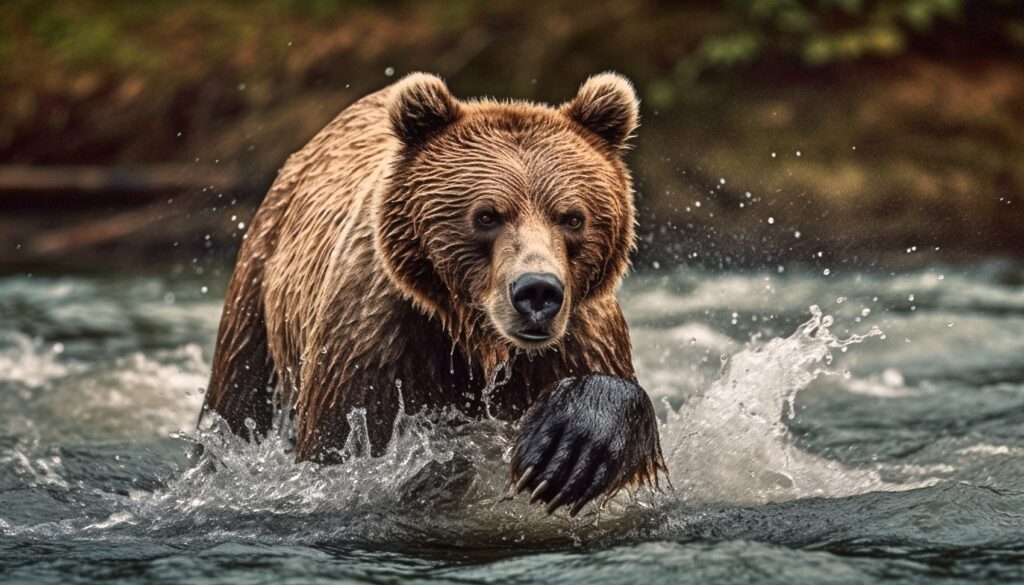
Answer 5: Brown bears as a species are Least Concern, but in the lower 48 US states grizzlies are listed as Threatened under the Endangered Species Act.
Question 6: Do Grizzly Bears hibernate?
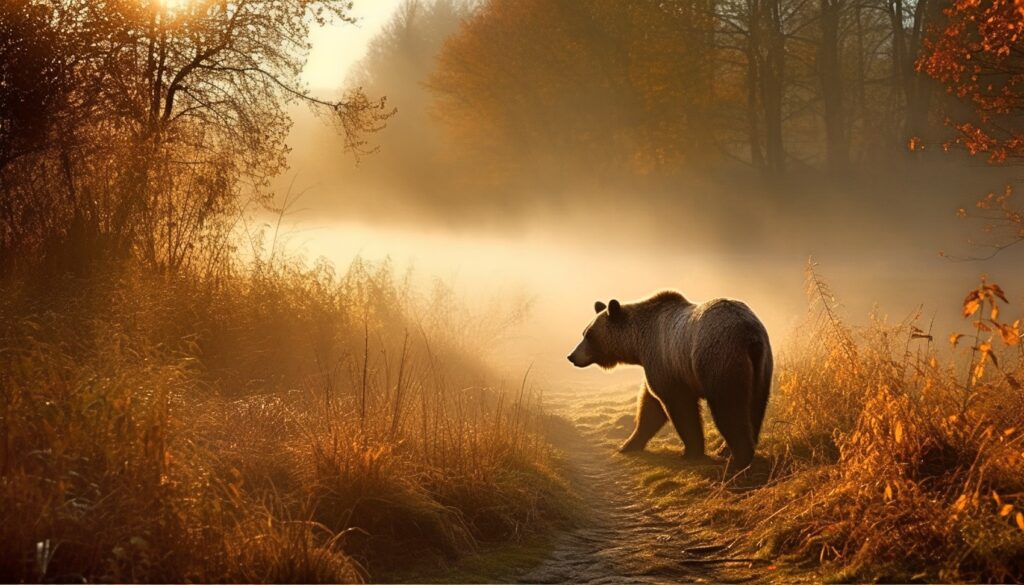
Answer 6: Yes, they hibernate during winter months.
Question 7: How do female Grizzlies behave towards their cubs?

Answer 7: They are fiercely protective of their cubs.
Question 8: What’s another name for the Grizzly Bear?

Answer 8: The North American brown bear.
Question 9: How can we help in the conservation of Grizzly Bears?
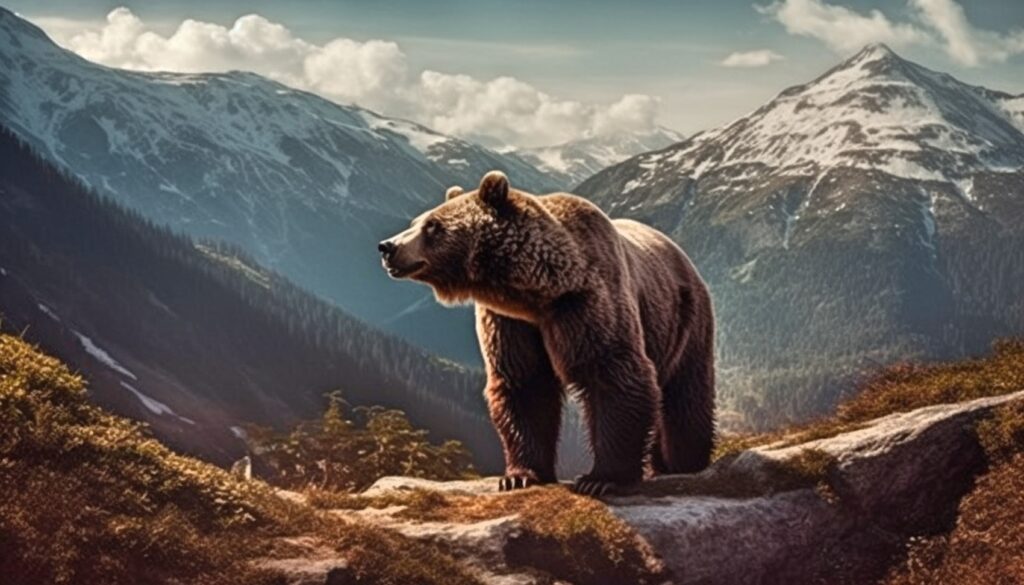
Answer 9: By protecting their habitats and understanding their needs.
Question 10: What is a unique characteristic of the Grizzly Bear’s appearance?
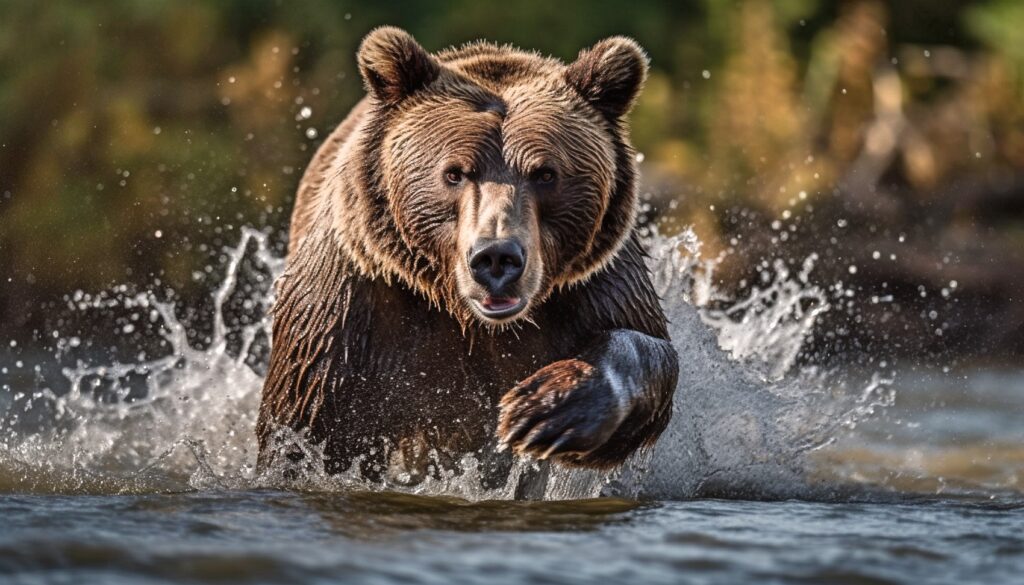
Answer 10: Their distinctive hump on their shoulders, which is a muscle mass used to power their strong front limbs.
How Did You Score?
Tally your correct answers out of 10. A score of 8 or more means you genuinely know your grizzlies. If a few questions caught you out, the facts section above is worth a second read, and our full brown bear species profile goes even deeper into the biology behind every answer.
Pick Your Bear Trivia Game Below



This article is part of our bear facts guide, which links every article on bear behaviour, safety and culture.
Updated 28 September 2026: corrected the answer on grizzly conservation status.



Ran through these with my son on a long drive. He knew the hump was muscle, I said fat, and I have not heard the end of it.