
Origin Of The Teddy Bear And Why We Love Them So Much
Last updated: November 1, 2026
3 min read
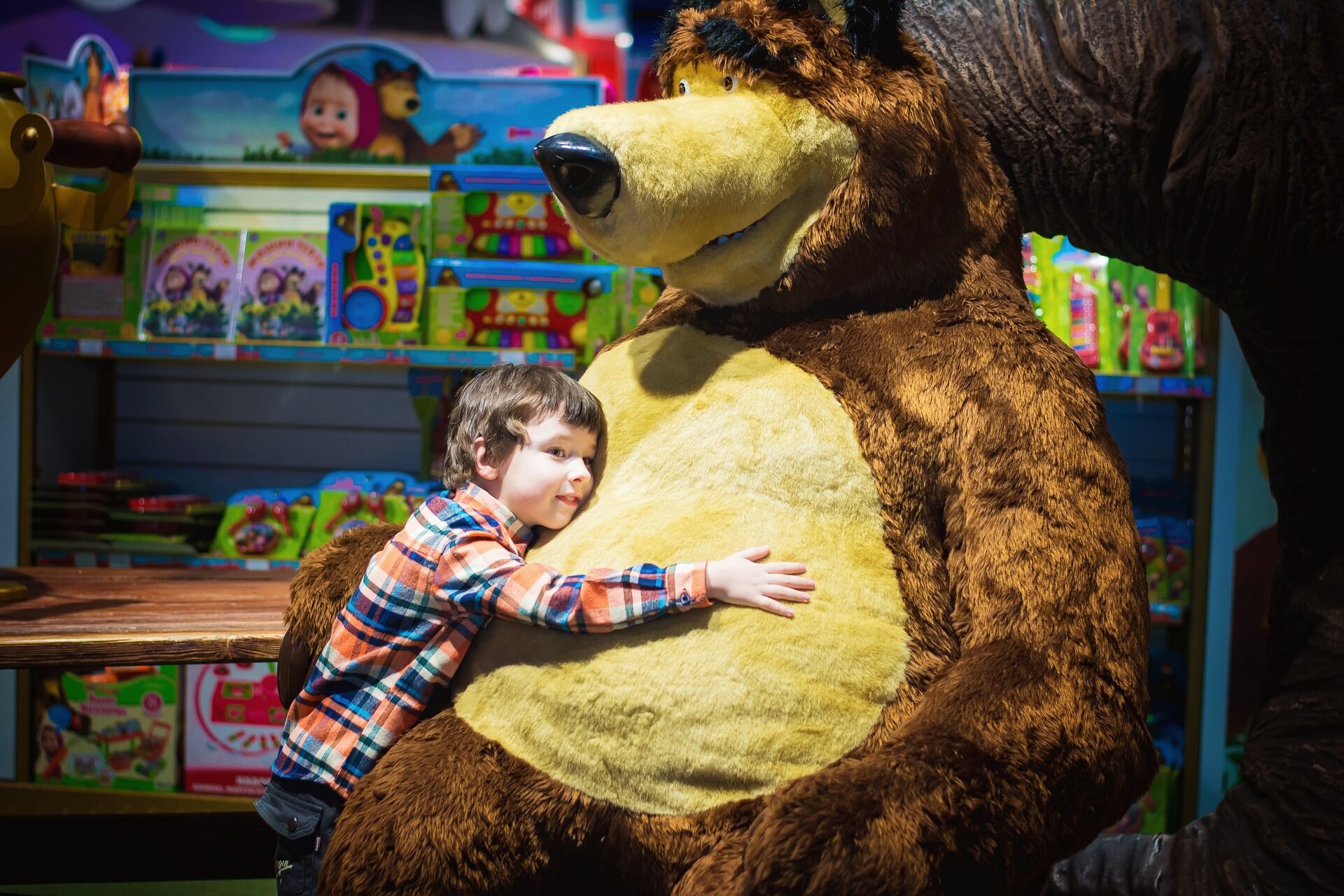
It is rare to see a child in the Western world who did not grow up with at least one beloved teddy bear. The teddy remains the classic bear present. For plenty more ideas, see our guide to the best bear gifts.
Although teddy bears are a delight internationally, the story begins in the United States, in very unlikely circumstances.
In November 1902, President Theodore Roosevelt was invited on a bear hunt in Mississippi by the state’s governor, Andrew H. Longino. Several other hunters were in the party, including LeRoy Percy, and most of them had already killed an animal. Roosevelt had not.
A group of his attendants, led by the guide Holt Collier, a formerly enslaved man and Confederate cavalry veteran who was one of the finest bear hunters in the state, ran an American black bear to exhaustion with hounds, then cornered it, clubbed it and tied it to a willow tree. They called Roosevelt over and suggested he take the shot.
Roosevelt refused. Shooting a tied animal was unsportsmanlike and he said so. The part usually left out of the retelling is what happened next: he ordered the bear killed anyway, with a knife, to put it out of its misery. The story that spread was the refusal, not the ending.
From a cartoon to a toy
Newspapers ran with the image of a famous game hunter and sitting president showing mercy to a bear. The political cartoonist Clifford Berryman drew it for the Washington Post, published on 16 November 1902, with a disgusted Roosevelt turning his back on the lassoed animal. In later cartoons Berryman drew the bear smaller and cuter, and the cub version is the one that stuck.
Morris Michtom, a Brooklyn shopkeeper who ran a candy store at 404 Tompkins Avenue that also sold stuffed animals, saw the drawing. He and his wife Rose made a small soft bear cub and put it in the shop window with a sign reading “Teddy’s bear”. The toys sold immediately, and Michtom went on to found the Ideal Novelty and Toy Company on the back of them.
At almost exactly the same moment, and with no connection to any of this, Richard Steiff in Germany was developing a jointed stuffed bear for the family firm. The teddy bear has two inventors and they arrived within a year or two of each other.
Bring bears home
Love what you read? Browse the We Love Bears store for gear and gifts inspired by these incredible animals:
- Shop bear plush toys
- Shop bear books
- Shop bear mugs
Every purchase supports more bear content on this site.
Did the teddy change how we see bears?
It made them soft. That is the honest answer, and it cuts both ways.
Before 1902 the bear in Western popular culture was mostly a menace or a trophy. The teddy turned it into something a child sleeps next to. That shift bought bears an enormous amount of public sympathy, and a lot of the conservation money that flows to bear charities today rides on affection built by a toy. It also created a gap between the animal in the shop window and the animal in the woods, which is why every year people walk far too close to a wild bear with a phone out. Both things are true at once.
Why we get attached to them
The teddy did not stay a children’s toy. It became a gift for adults too, for birthdays, baby showers and romantic exchanges, and plenty of people never give theirs up.
A 2012 survey by the hotel chain Travelodge, which has an interest in the question because of what gets left behind in its rooms, reported that around 35 percent of British adults still sleep with a teddy bear, and that a quarter of male business travellers take one away with them on work trips. Treat those numbers as a hotel chain’s press release rather than a peer-reviewed study, but the underlying behaviour is well documented.
Psychologists call these transitional objects. They stand in for the comfort of a caregiver when the caregiver is not there, which is why the teddy handed over at the nursery door does real work, and why the same object keeps working for people long past nursery age. Cuddling a familiar soft thing is a genuinely effective way of regulating a nervous system, and there is no age at which that stops being true.
Updated 28 September 2026: corrected Holt Collier’s role and added the year of the Travelodge survey.





I never knew Roosevelt had the bear killed anyway. The cartoon version is the only one I’d ever heard, which I suppose was the point.
Still have the bear my grandmother gave me when I was born. One ear is basically gone. My wife thinks it’s ridiculous that it came on our honeymoon.