
Animals Asia: Ending Bear Bile Farming
Last updated: September 28, 2026
5 min read
Animals Asia has done more than any other organisation to end bear bile farming in Vietnam, and it is working on the same outcome in mainland China. It was founded in 1998 by Jill Robinson MBE, who had spent the previous years documenting the inside of bile farms across Asia and who is still the charity’s CEO.
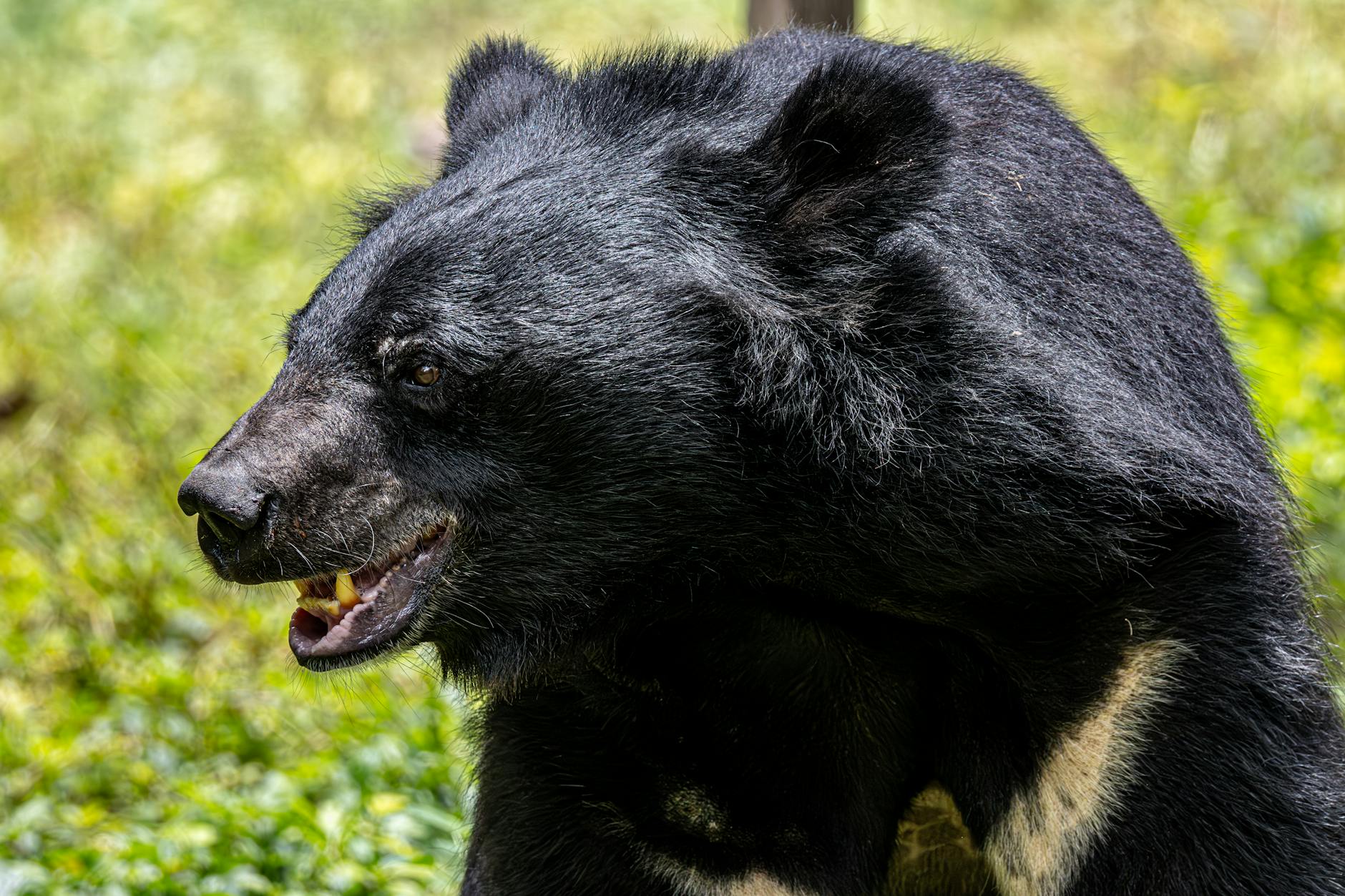
This guide covers what bile farming is, what Animals Asia has actually achieved, the sanctuaries it runs in Vietnam and China, and the routes for supporters who want to help. For the bear at the heart of this story, see our Asian black bear species profile.
What bear bile farming is
Bear bile contains ursodeoxycholic acid, a compound used in traditional medicine across East Asia and now produced synthetically at scale. Bile farming means keeping bears, almost always Asian black bears and sometimes sun bears, caged for their entire lives while bile is drawn from a permanent opening in the abdomen. The cages are typically too small for the bear to stand up or turn around in.
The damage is cumulative. Rescued bears commonly arrive with smashed or removed teeth, untreated infections, limbs missing from snare injuries, and gallbladders wrecked by decades of extraction. Many have been caged for more than fifteen years by the time anyone reaches them.
Vietnam: a near complete win
In 2017 Animals Asia signed a memorandum of understanding with the Vietnamese government committing both sides to ending bear bile farming nationwide, rescuing the bears that remain and providing lifetime care. Bile extraction is already illegal in Vietnam. What keeps the practice alive is a mixture of ongoing demand, legal private bear ownership and patchy enforcement.
The charity has now rescued more than 290 bears from bile farms across Vietnam, and says most provinces in the country are bear farm free. The work is done through negotiation rather than confrontation: the team approaches owners, listens, and offers practical support to get the bear surrendered.
The Tam Dao Bear Rescue Centre, a couple of hours north of Hanoi, opened in 2008 and is the main destination for those bears. A second Vietnamese sanctuary, Bach Ma, opened in 2023 to take the remaining wave of surrenders.
China: the longer fight
China is the harder country. It still has a legal, licensed commercial bile industry, commonly estimated to hold around ten thousand farmed bears. The strategy there is different: rescue what can be rescued, build the evidence base for herbal and synthetic alternatives, and work with the traditional medicine profession so the industry winds itself down.
The Chengdu Bear Rescue Centre in Sichuan took in its first bears in October 2000 and operates under an agreement signed in 2000 with the Chinese authorities and the Sichuan Forestry Department. Across all three sanctuaries Animals Asia has rescued more than 700 bears since 1998, with the Chinese centre accounting for most of the balance beyond Vietnam.
Beyond bile
Animals Asia is not strictly a bear organisation. It runs cat and dog welfare programmes across Asia, campaigns against the dog and cat meat trades in China and Vietnam, works on captive wildlife welfare in zoos and safari parks, and is phasing out elephant riding tourism in Vietnam. The same infrastructure, run from a head office in Hong Kong, supports all of it. Supporters who want bear only impact can earmark a donation.
What lifetime care actually means
When Animals Asia takes a bear, the commitment runs for the rest of that bear’s life. Asian black bears live 25 to 30 years in captivity and sometimes longer, so a bear rescued at ten needs another fifteen to twenty years of food, veterinary care, enclosure space and keeper time.
This is why the symbolic adoption funding model matters. The work needs steady money rather than one off bursts. A bile bear arriving with no teeth and a ruined liver may need surgery and pain management for years. Many of the early Tam Dao rescues are now elderly bears in palliative care, and the job has shifted quietly from acute rescue to long term sanctuary management.
Why the industry is losing
Demand is the pressure point, and it is the one Animals Asia has attacked hardest. Working with the Vietnamese Traditional Medicine Association, it got all 60,000 of the association’s members to pledge never to prescribe bear bile. It has published a bilingual herbal remedy book covering more than 40 cruelty free treatments drawn from traditional practice, and it runs herbal medicine clinics and events with practitioners.
Synthetic ursodeoxycholic acid has also become cheap to produce, which undercuts the farmed product on price as well as on ethics. In Vietnam the collapse is largely complete: the shops have closed, the demand has gone, and what is left is a small number of holdouts who have to be reached one at a time. That is what the 2017 memorandum made possible.
Jill Robinson and the founder question
Animals Asia is unusually tied to its founder. Jill Robinson remains both founder and CEO, and the campaigning style, with its long interviews, undercover footage and named individual bear stories, is hers. That is a strength and a risk at the same time.
It is worth knowing if you are weighing up a long term giving commitment. The sanctuaries are run day to day by veterinary and operations teams, so the work is not personally hers, but the public brand largely is. It is a question worth asking any founder led charity, and it is rarely asked out loud.
The published numbers
- More than 700 bears rescued since 1998 across the Chengdu, Tam Dao and Bach Ma sanctuaries.
- More than 290 of those rescued from bile farms in Vietnam.
- 60,000 traditional medicine practitioners in Vietnam pledged never to prescribe bear bile.
- Most Vietnamese provinces now free of bear farms.
These figures move. The current versions are on animalsasia.org.
How to support Animals Asia
- Monthly donation, optionally earmarked to bears.
- Adopt a bear. Each bear has a named profile, photographs and a history. The adoption is symbolic, the funds are not.
- A gift in a will, which is the funding type that suits a lifetime care commitment best.
- Corporate partnership.
Frequently asked questions
Who founded Animals Asia and when?
Jill Robinson MBE, in 1998, after years documenting bear bile farms across Asia.
Where are the Animals Asia bear sanctuaries?
Three of them: the Chengdu Bear Rescue Centre in Sichuan, China, opened 2000; the Tam Dao Bear Rescue Centre in Vietnam, opened 2008; and the Bach Ma Bear Rescue Centre in Vietnam, opened 2023.
Is bear bile farming legal?
Bile extraction is illegal in Vietnam, though private bear ownership and weak enforcement let the practice persist. It is still legal in China for licensed commercial operators.
Related reading
- Bear conservation pillar
- Asian black bear (moon bear) species profile
- Free The Bears: Asia’s rescue network
- Top bear sanctuaries worldwide
Updated 28 September 2026: corrected the opening years of the Bach Ma and Chengdu sanctuaries.


Worth asking whether your employer matches charitable gifts. Plenty of US companies do, and for lifetime care of a rescued bear that kind of steady extra money seems to count.
Good point, and one I did not think to include. Matching schemes usually need the charity to be registered in your country, so check which Animals Asia office your employer can give to.