

Man Pleads Guilty Over Bear Cubs Taken From Den
Last updated: November 5, 2026
3 min read
A Northern California timber worker took two black bear cubs out of their den and then lied to wildlife officers about where he had found them. The case is small, but it lays out clearly why removing a wild cub is illegal, and why it is usually a death sentence for the animal even when the intent is kind.
The story that did not hold up
In March 2019, Cody Dylon Setzer of Yreka and a co-worker, both employed by a timber management company, took two cubs from a den inside a tree that had fallen across a forest road. The cubs were about a month old.
On 9 March 2019 Setzer called the California Department of Fish and Wildlife, saying he had found the cubs along Highway 263 north of Yreka after he could no longer look after them. Officers went to the spot and found no bear tracks and no habitat that fitted the story.
His co-worker then cooperated with investigators and took them to the real den, east of Salt Creek and Interstate 5 in Shasta County, roughly 90 miles south of where Setzer said he had found them. The den had been destroyed. The mother was never located.
The outcome
In November 2021 Setzer pleaded guilty in Siskiyou Superior Court to possession of a prohibited species and to obstructing a peace officer in the course of his duties. He was ordered to pay $2,290 in fines and fees and to complete 200 hours of community service, and was placed on 12 months of probation with his hunting and fishing privileges suspended throughout. He was also given 90 days in county jail, stayed on successful completion of probation.
Where the cubs went
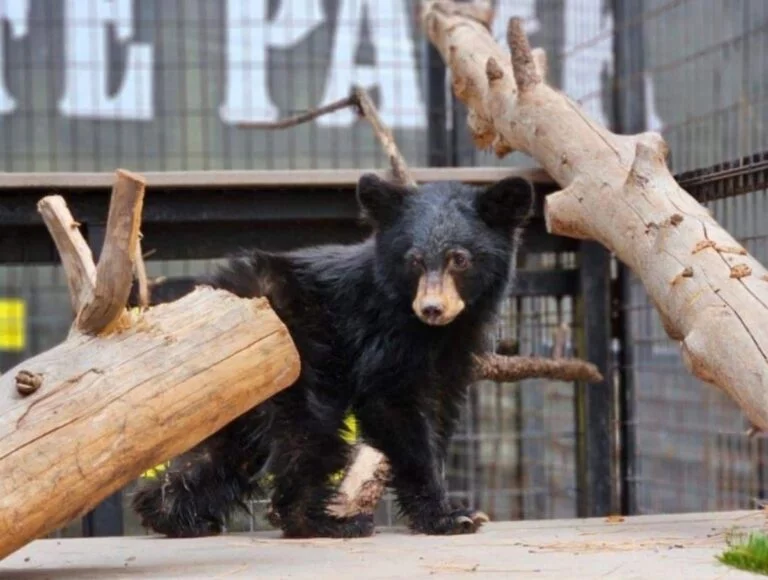
The cubs did better than the case. They went first to the Department of Fish and Wildlife’s Wildlife Health Laboratory in Rancho Cordova, then to Lake Tahoe Wildlife Care, a licensed rehabilitation facility, which said they were the youngest cubs it had ever taken in.
They were returned to native habitat in Shasta County on 28 April 2020, once they were old enough to look after themselves. That slow timeline is normal. Black bear cubs usually stay with their mother for around 16 to 18 months, and a rehabilitator has to cover that whole stretch without letting the animal get comfortable around people.
Why taking a cub is against the law
In California the black bear is a regulated game mammal, and holding one without a permit breaks the state Fish and Game Code. Almost every US state has an equivalent rule.
The reasoning is practical rather than bureaucratic. Wild animals carry parasites and disease. An untrained person cannot provide the right diet or the right environment. And a cub raised in human company imprints on people, loses its wariness, and becomes the kind of bear that gets shot later as a public safety problem.
Licensed rehabilitators work around this deliberately: feeding from behind screens, housing cubs together so they bond with other bears rather than with handlers. A cub raised in someone’s house almost never makes it back to the wild.
What to do if you find a cub alone
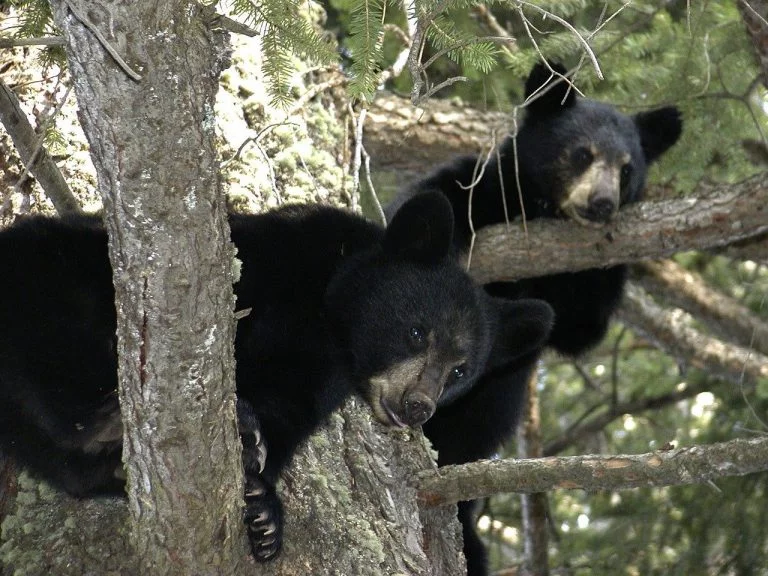
A cub on its own is usually not orphaned. Sows routinely park cubs somewhere safe, often up a tree, and forage for hours. The worst thing you can do is rescue an animal that was never lost.
- Keep your distance. Never touch, feed or pick up a cub. The mother may be closer than you think and will react.
- Watch quietly from a safe spot for several hours before you assume anything.
- Call your state wildlife agency or a licensed rehabilitator. In California that is the Department of Fish and Wildlife.
- Note the exact location. Accurate information is what lets professionals put a cub back with its mother.
- Do not move the cub somewhere you think is better. That is the step that turned this story into a court case.
In this instance the system worked and the cubs got their wild lives back, but only because a co-worker told the truth about where the den really was.
This article is part of our bear conservation guide, which links all our conservation, rescue and wildlife crime reporting.
Updated 28 September 2026: corrected the post title: he pleaded guilty to possessing a prohibited species and obstructing an officer, and there was no trial.


Last spring we found a cub alone at the bottom of our lane and my husband wanted to bring it in. We waited instead, and the mother turned up before dark.