
NYDEC Tracks Black Bear Den
Last updated: November 5, 2026
3 min read
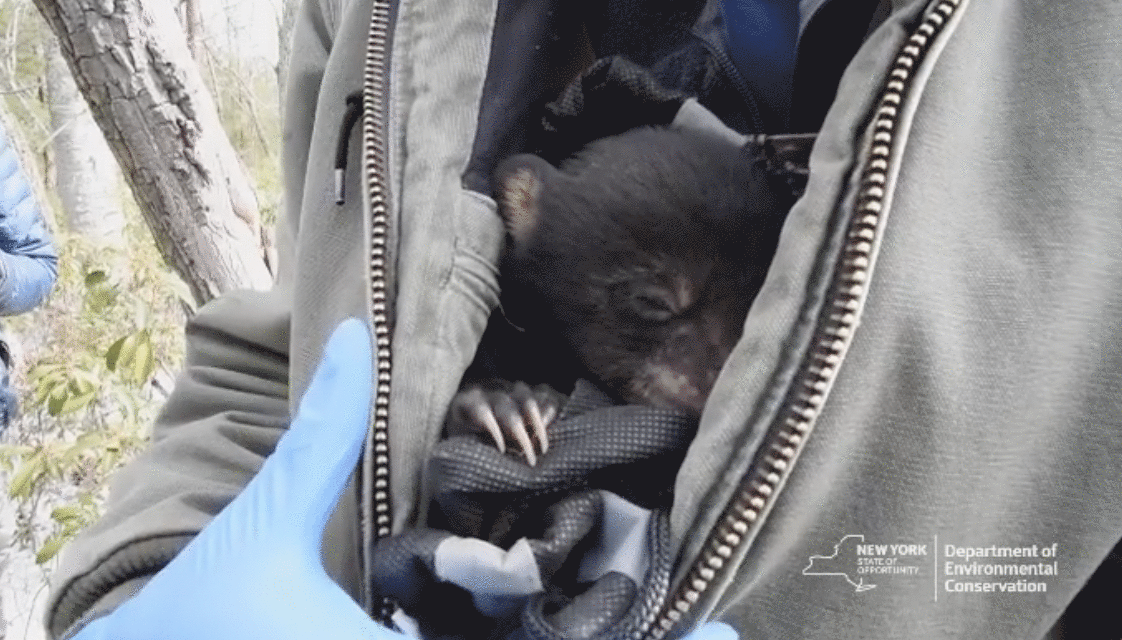
The New York State Department of Environmental Conservation (NYSDEC) shared a video of a staff member tucking a tiny black bear cub inside a jacket to keep it warm during a winter den check. The team had tracked a radio collared sow to her den to replace her ageing VHF (very high frequency) collar, and inside they found three cubs. The clip is charming, but it is also a window into a serious, decades old wildlife research programme, and into why you should never go looking for a bear den yourself.
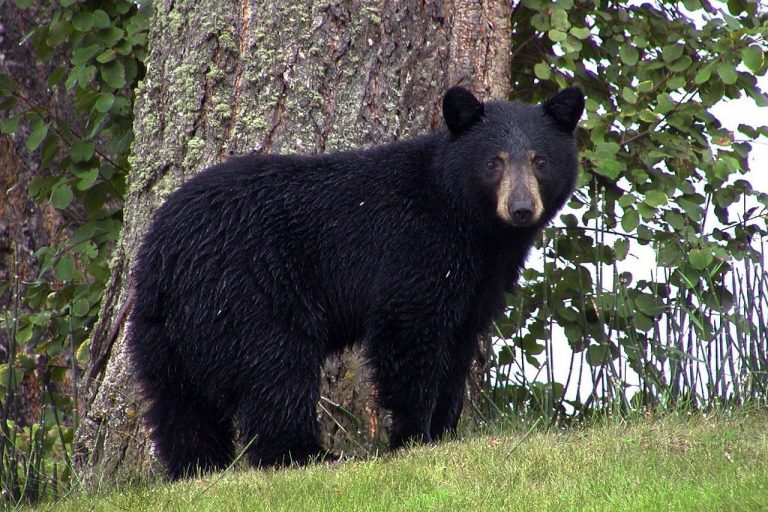
The bear at the centre of the video is an American black bear (Ursus americanus), the only bear species found in New York State. New York is home to a substantial black bear population spread across the Adirondacks, the Catskills, and the Allegheny region, and parts of central and western New York. The DEC has run black bear research for many years, and the den visit captured in this clip is a routine part of that long term monitoring.
What a Den Check Actually Involves
A den visit is carefully timed for late winter, when the sow is in her winter torpor and the cubs are only weeks old. Black bears are not true hibernators in the strict sense, but they enter a deep dormant state, and a researcher can approach a denned sow far more safely than at any other time of year. The team first locates the den by following the signal from the sow’s collar, then sedates her.
Once sedated, a bear is typically out for around 30 minutes to an hour. The collar is checked, the battery and fit assessed, and a worn unit is swapped for a fresh one. While the sow is sedated she cannot keep her cubs warm, so the team takes over that job. That is exactly why the video shows a cub zipped inside a staff member’s jacket against their body heat, yawning, perfectly content.
Why the Cubs Were Weighed but Not Collared
Each of the three cubs was weighed during the visit, but none was fitted with a collar. The cubs weighed only about three pounds each, which is normal for black bear cubs in late winter. Newborn black bears are famously tiny, often around half a pound at birth, and they put on weight quickly on their mother’s rich milk. At three pounds a cub is still far too small for a collar.
The reason is simple and important: a bear grows fast, and a collar that fits a small cub would soon become dangerously tight as the neck thickens. A collar that cannot expand would choke the animal. So cubs are weighed, sexed, and recorded for the research database, then left with their mother. Only when bears are older and have stopped growing rapidly are they fitted with tracking collars.
Why Researchers Track Bears at All
Following the same animals over time lets biologists answer questions that a single snapshot never could:
- How many cubs a sow produces, and how many survive to independence
- Cub growth rates and the body condition of mothers between seasons
- Where bears den and how far they range across the year
- Signs of disease, parasites, or injury in the wild population
- How bears respond to changing food supply and human development
That data feeds directly into how the state sets hunting seasons, manages conflicts, and protects habitat. A radio collar is not a gadget for show. It is the thread that connects one den visit to the next and turns scattered observations into a real understanding of the population.
Please Leave Dens Alone
As lovely as the video is, it should not tempt anyone to go searching for a den. The people in the clip are trained wildlife biologists working under a research permit with sedation equipment and a clear protocol. A denned sow is still a large, powerful animal, and a den visit done wrong can get a person hurt and can cause a mother to abandon her cubs.
If you find what looks like an abandoned cub or an injured bear, do not pick it up and do not take it home. A cub that seems alone usually is not, because the sow is often nearby. Call your state wildlife agency, in New York the DEC, and let trained staff assess the situation. Removing a bear from the wild is also illegal in most states. As a 2019 California case showed, people who take cubs from a den can end up in court. The best thing you can ever do for a wild bear is to leave it where it belongs.
This article is part of our bear facts guide, which links every article on bear behaviour, safety and culture.
Updated 28 September 2026: corrected where the linked cub-theft case took place.



Half a pound at birth to three pounds by late winter is a big jump in a few weeks. Does the mother properly wake up to feed them, or does it all happen half asleep?