
Two People Killed by a Grizzly Bear in Canada’s Park
Last updated: November 5, 2026
4 min read
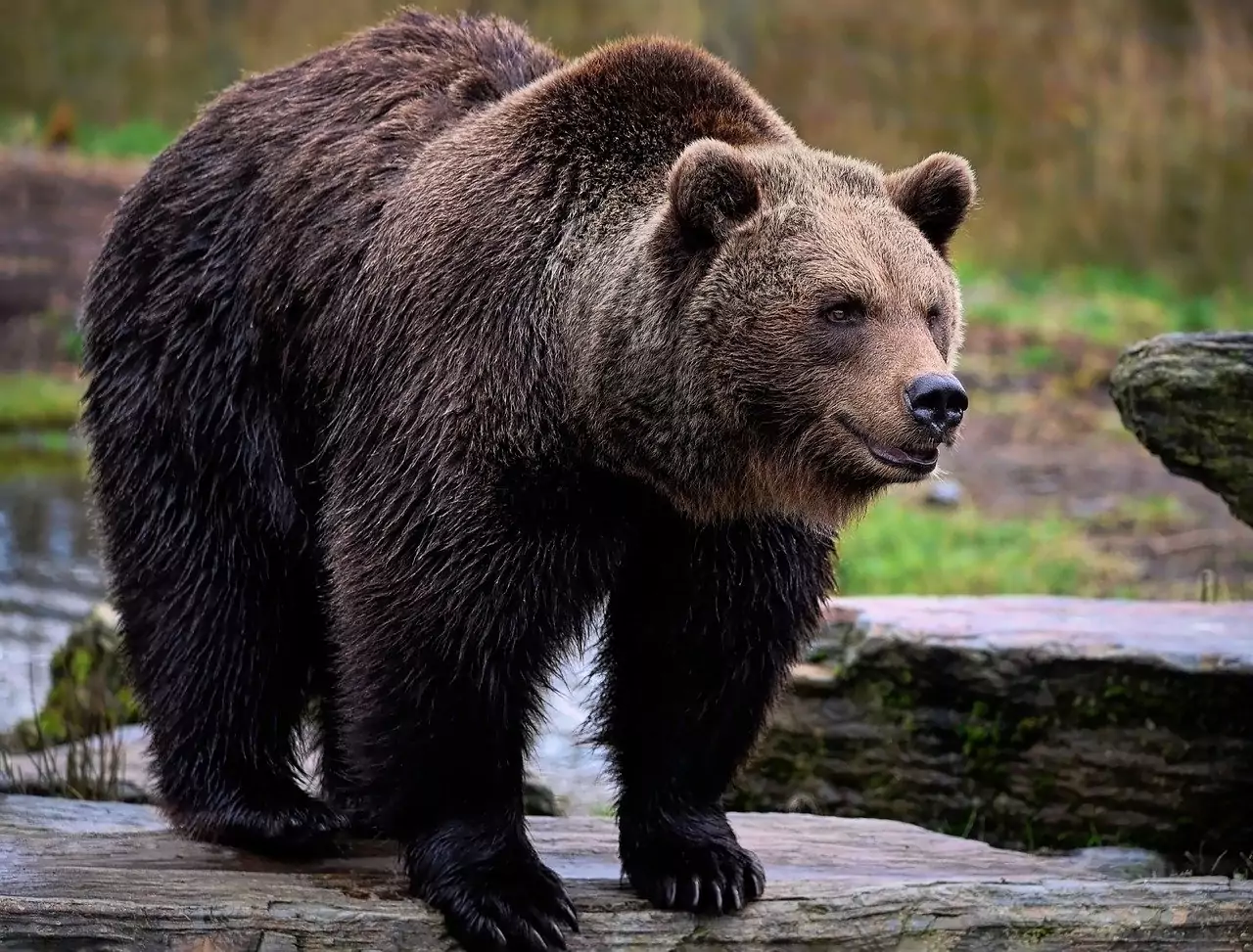
In late September 2023, two backcountry hikers were killed by a grizzly bear in Banff National Park, Canada. The couple, identified by family as Doug Inglis and Jenny Gusse, both 62 and from Lethbridge, Alberta, were on a permitted hiking and camping trip with their dog. Park officials first knew something was wrong when, around 8pm on the Friday, an alert came in from a satellite communication device warning of a bear displaying aggressive behaviour. The message from the couple read “bear attack bad”.
Bad weather grounded the helicopter, so the Wildlife Human Attack Response Team had to reach the remote site on foot. They arrived at the GPS location, west of the Ya Ha Tinda Ranch in the Red Deer River Valley, at around 1am. There they found the two hikers dead and the bear, still aggressive, which charged the team. They euthanised it on the spot for public safety. Police arrived by about 5am to help transfer the victims to Sundre, Alberta. The couple’s dog, a female border collie, was also found dead at the scene.
Why this attack happened
The necropsy of the bear gave the clearest clue. She was an old female, estimated at more than 25 years, which is a great age for a wild bear. She was not lactating, so she was not defending cubs. Her body condition was fair, but her teeth were poor and she had less body fat than normal for the time of year. She had never been collared, tagged or otherwise recorded by Parks Canada.
That profile points away from the two usual causes. Most grizzly attacks are defensive: a startled bear, or a mother protecting cubs, lashing out and then leaving. A very old, undernourished bear heading into the lean weeks before hibernation is under a different kind of pressure. Parks Canada did not state a definitive motive, but a predatory attack by a food stressed animal fits the evidence. Predatory attacks are rare, and they are the most dangerous kind.
How rare is a fatal grizzly attack?
Keep the scale in mind. Alberta’s most recent province wide estimate, published in 2021, put the grizzly population at somewhere between about 856 and 973 bears, and Banff holds only a small share of that. Parks Canada has estimated 175 to 185 grizzlies across Waterton Lakes, Banff and Jasper combined. Grizzlies are listed as threatened in Alberta, although since June 2024 a ministerial order has allowed some conflict bears to be hunted. Against that backdrop, fatal attacks are uncommon and an attack that kills two people is rarer still.
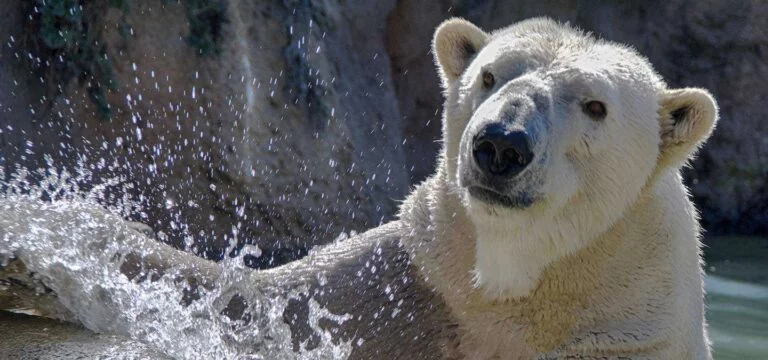
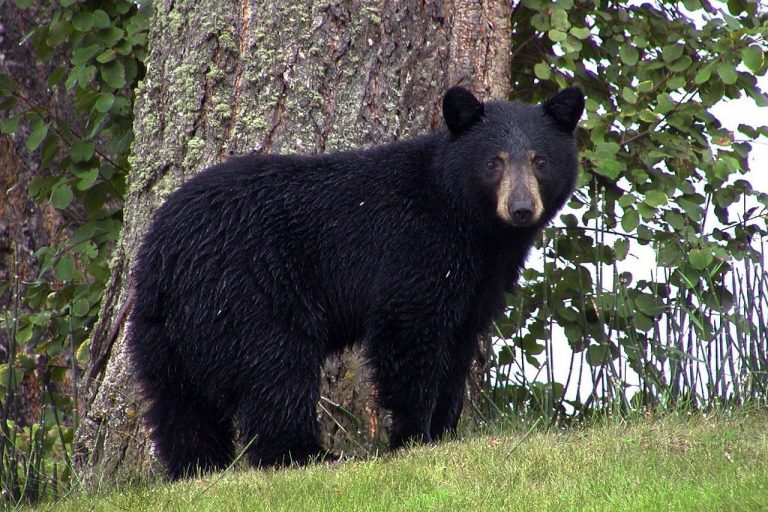
The Banff case sat alongside a handful of other North American incidents in recent years. In November 2018 a grizzly killed a woman and her infant daughter at a remote cabin in the Yukon. In January 2023 a polar bear killed a mother and her young son in Wales, Alaska. In June 2023 a black bear killed a 66 year old man drinking his morning coffee at his property near Groom Creek, Arizona. Each one made headlines precisely because such events are exceptional. Statistically, a hiker is far more likely to be hurt on the drive to the trailhead than by a bear on the trail.
Staying safe in grizzly country
Rare does not mean impossible, and the Banff couple did several things right, including carrying a satellite device that let them raise the alarm. Anyone hiking where grizzlies live should take the standard precautions seriously:
- Travel in a group. Most serious attacks involve people hiking alone or in pairs.
- Make noise, especially near streams, dense brush and blind corners, so you never surprise a bear at close range.
- Carry bear spray where you can reach it in seconds, and know how to use it. It is the most effective deterrent in a close encounter.
- Store food, rubbish and scented items properly at camp, well away from where you sleep.
- Carry a satellite messenger or personal locator beacon in remote backcountry, as the Banff couple did.
- Check park bulletins for recent bear activity and respect trail closures.
What to do if a grizzly charges
The correct response is not the same for both kinds of attack, which is why the distinction matters. In a defensive encounter, where a surprised or protective bear charges, stand your ground, deploy bear spray, and if contact is made play dead by lying face down with hands over the neck and legs spread. Most defensive bears break off once they no longer feel threatened. A predatory attack, the rarer scenario and the more likely one in Banff, is different. Playing dead is the wrong move. Fight back hard, aim for the face and eyes, and use anything to hand as a weapon.
Telling the two apart in the moment is difficult, which is exactly why bear spray, distance and never hiking alone matter so much. They work before that split second decision is ever needed. Our guide to bear safety sets out the rest.
Respect the animal behind the meme
Every autumn, events like Fat Bear Week invite us to enjoy grizzlies as rotund, salmon fattened, almost cuddly characters. That affection does real work for conservation, but it blurs something. A grizzly is a large predator that can live 20 to 25 years in the wild, and when it feels threatened or, as in Banff, when it is old and underweight, it is fully capable of killing. The Banff tragedy is not a reason to avoid the backcountry. It is a reason to enter it prepared.
Bring bears home
Bear books and outdoor gear are in the We Love Bears store. Anything bought there funds more bear writing here.
This article is part of our bear facts guide, which links every article on bear behaviour, safety and culture.
Updated 28 September 2026: corrected the necropsy findings on the bear’s condition and updated Alberta’s grizzly rules.




The detail about her teeth and low body fat stays with me. An old bear going into winter short of food is not the startled grizzly most of us plan for.