
Looking for Hank the Tank Bear in Lake Tahoe
Last updated: November 5, 2026
4 min read
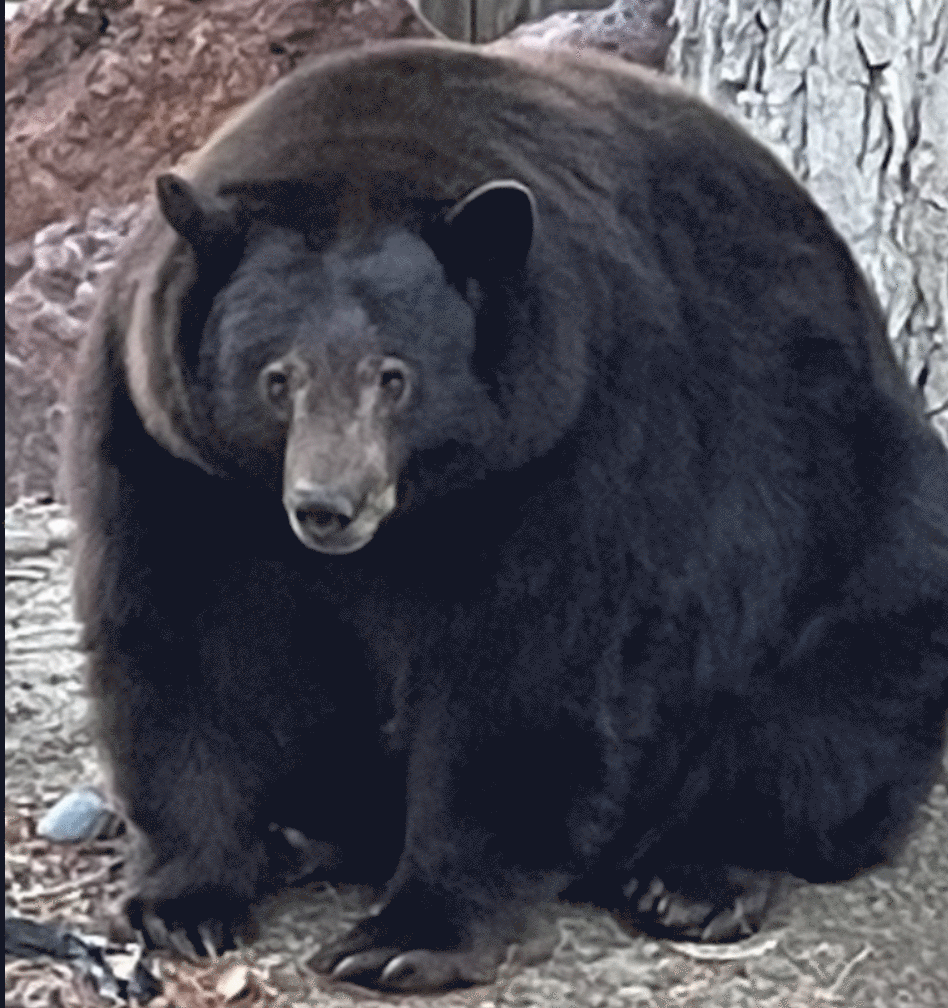
A community in South Lake Tahoe became famous in early 2022 for chasing a black bear nicknamed “Hank the Tank.” This roughly 500 pound bear was blamed for breaking into dozens of homes around the Tahoe Keys neighborhood, and residents were sharply divided over what to do. The story then fell apart. DNA evidence showed that the break-ins blamed on a single animal were the work of at least three different bears, and Hank turned out to be a female with cubs.
This page keeps the original story and then follows it to its real ending, because the Hank the Tank saga became one of the clearest recent lessons in food-habituated bears and how easily public panic outruns the facts.
The Original Panic
In February 2022, the locals were distraught over what to do next. Some were for trapping and relocating the bear, while others wanted it killed. At the time it was reported that Hank had damaged more than 35 properties and had avoided being trapped. The California Department of Fish and Wildlife had been unable to catch the bear for months. Because of the high volume of cars and people in the area, a safe capture opportunity simply never appeared. CDFW spokesperson Peter Tira described Hank as a “severely food habituated bear,” meaning the animal had stopped foraging naturally and had learned to treat houses as a reliable pantry.
Since a food habituated bear like this is not self sufficient in the wild, releasing it into the backcountry usually fails. The bear either returns to people or starves. People also did not want the bear killed. The Bear League, a Lake Tahoe conservation group, called euthanasia unnecessary and cruel. Some locals hoped Hank could be trapped and placed in a sanctuary, where the bear would be fed and given a real chance to survive. Others saw even that as cruel, removing the bear from the only environment it knew.
The DNA Twist
The story changed dramatically later in February 2022. CDFW collected genetic samples from break-in sites, and the DNA profiling revealed that “Hank the Tank” was not a single offender. The evidence linked at least three separate bears to the home invasions blamed on one animal. National outlets including CNN, NPR and ABC7 ran the correction, and the public mood shifted overnight from “catch the menace” to a more honest conversation about a neighborhood full of habituated bears.
Crucially, CDFW announced it would not euthanize bears caught during the investigation. Instead the agency began trapping bears in the area, tagging them, collecting genetic evidence, and releasing them. The plan to kill Hank, which had drawn protests and even threats against wildlife officials, was effectively off the table.
How the Story Actually Ended
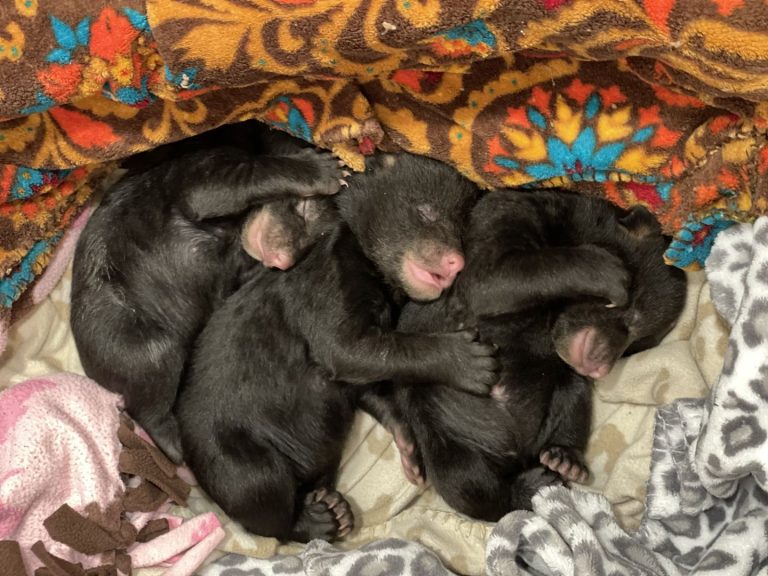
The saga did not close until well over a year later. On August 7, 2023, CDFW officials finally captured Hank, registered as bear 64F, along with her three cubs. Rather than being euthanized, Hank was transported to The Wild Animal Sanctuary near Springfield, Colorado, where she could live out her life with food and care. Her three cubs went to Sonoma County Wildlife Rescue. The outcome was almost exactly what the Bear League and many residents had pushed for back in 2022: no killing, and a permanent, safe home.
Why Bears Become “Hank the Tank”
No bear is born raiding kitchens. Food habituation is something people create. A black bear has an extraordinary sense of smell, often cited as one of the keenest of any land mammal, and a single unsecured trash can or a bird feeder full of seed teaches a bear that human spaces mean easy calories. Once that lesson sticks, the bear loses its natural caution and a normal wild diet of berries, nuts, insects and grasses no longer competes. In a place like the Tahoe Keys, where homes back onto wild land, one fed bear quickly becomes a pattern.
Wildlife managers stress that “a fed bear is a dead bear” because habituated animals are the ones most likely to be killed. Preventing the problem is far easier than fixing it. The standard advice from CDFW and groups like the Bear League includes:
- Store garbage in bear resistant containers and only put bins out on the morning of collection.
- Take down bird feeders during the active bear season, roughly spring through fall.
- Lock doors, ground floor windows and car doors, since a Tahoe black bear can open an unlatched handle.
- Never leave food, coolers, scented toiletries or even gum inside an unlocked vehicle.
- Clean grills and remove pet food bowls from porches at night.
A Lasting Lesson From Lake Tahoe
The Hank the Tank story is worth remembering for two reasons. First, it shows how fast a single dramatic narrative can take hold, and how a quiet piece of evidence, in this case a DNA test, can completely reframe it. Second, it is a reminder that the “bear problem” in places like South Lake Tahoe is really a people problem with a wildlife symptom. The bears were doing what bears do once humans teach them where the food is.
If you want to understand the animal at the center of all this, our species profile of the American black bear covers its range, diet and behavior in depth, and explains why this adaptable species ends up in suburban headlines more than any other bear in North America.
Bring bears home
Love what you read? Browse the We Love Bears store for gear and gifts inspired by these incredible animals:
- Shop bear plush toys
- Shop bear books
- Shop bear mugs
Every purchase supports more bear content on this site.
Read next
- Bear Species Guide: All 8 Living Species
- Group Taking Selfies with Bear Cubs in North Carolina
- Othel Lee Pearson sentenced for covering up a grizzly bear kill
This article is part of our bear facts guide, which links every article on bear behaviour, safety and culture.



Stayed in a rental near South Lake Tahoe last summer and the house rules had a whole page on bear bins and locking the car. Makes a lot more sense now.
Glad it ended with a sanctuary and not a bullet. Does anyone know if the three cubs were kept together at the rescue?