Are Bears More Dangerous in Spring or Fall?
Spring bears are lean and defending cubs. Autumn bears are in hyperphagia. Summer has the most attacks. What the worldwide attack data actually shows, season by season.

How to stay safe around black, brown, and polar bears. Species identification, encounter response by behaviour (defensive vs predatory vs curious), bear spray technique, campsite rules, and bear-proofing guidance. Statistics-driven content with cited research.The Bear Safety pillar is the anchor; cluster posts cover specific topics like visual identification and bear spray deployment.

Spring bears are lean and defending cubs. Autumn bears are in hyperphagia. Summer has the most attacks. What the worldwide attack data actually shows, season by season.

The 12 campsite rules that recur across NPS, Parks Canada and BearWise guidance: the 100 m triangle, canisters versus hangs, what goes in storage, and what to do if a bear arrives at night.

The bear-encounter playbook by distance bracket, from 100 m down to contact, with the species-specific response that actually matters.

When to deploy, how to aim, what to buy and how to maintain it, built on the Smith et al. field studies rather than on marketing copy.
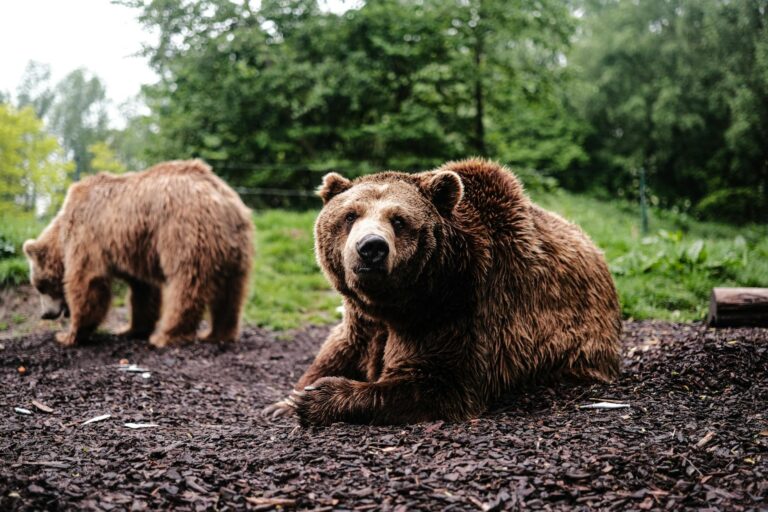
In bear country, knowing what’s standing in front of you changes everything. A black bear and a grizzly call for different responses, and getting it wrong can cost you.

How to identify the species, read the behaviour, use bear spray, and store food. Different rules for black bears, grizzlies and polar bears.

Two terms people use interchangeably that mean opposite things. One describes a bear that ignores you. The other describes a bear that is already on its way to being shot.
We send one careful bear roundup per month. Conservation news, species profiles, the occasional reader question we could not resist answering.
We never share your email. One-click unsubscribe.